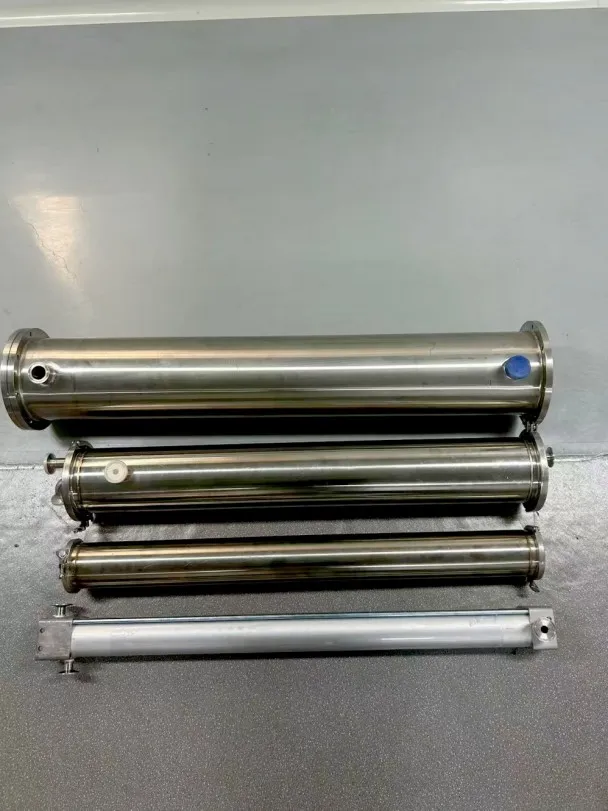
Every equipment distributor says they want recurring revenue. Few plan for it, because the products that generate it are unglamorous: filter elements, gaskets, a vacuum pump service kit, and a membrane element that is replaced every few years whether or not anyone is watching.
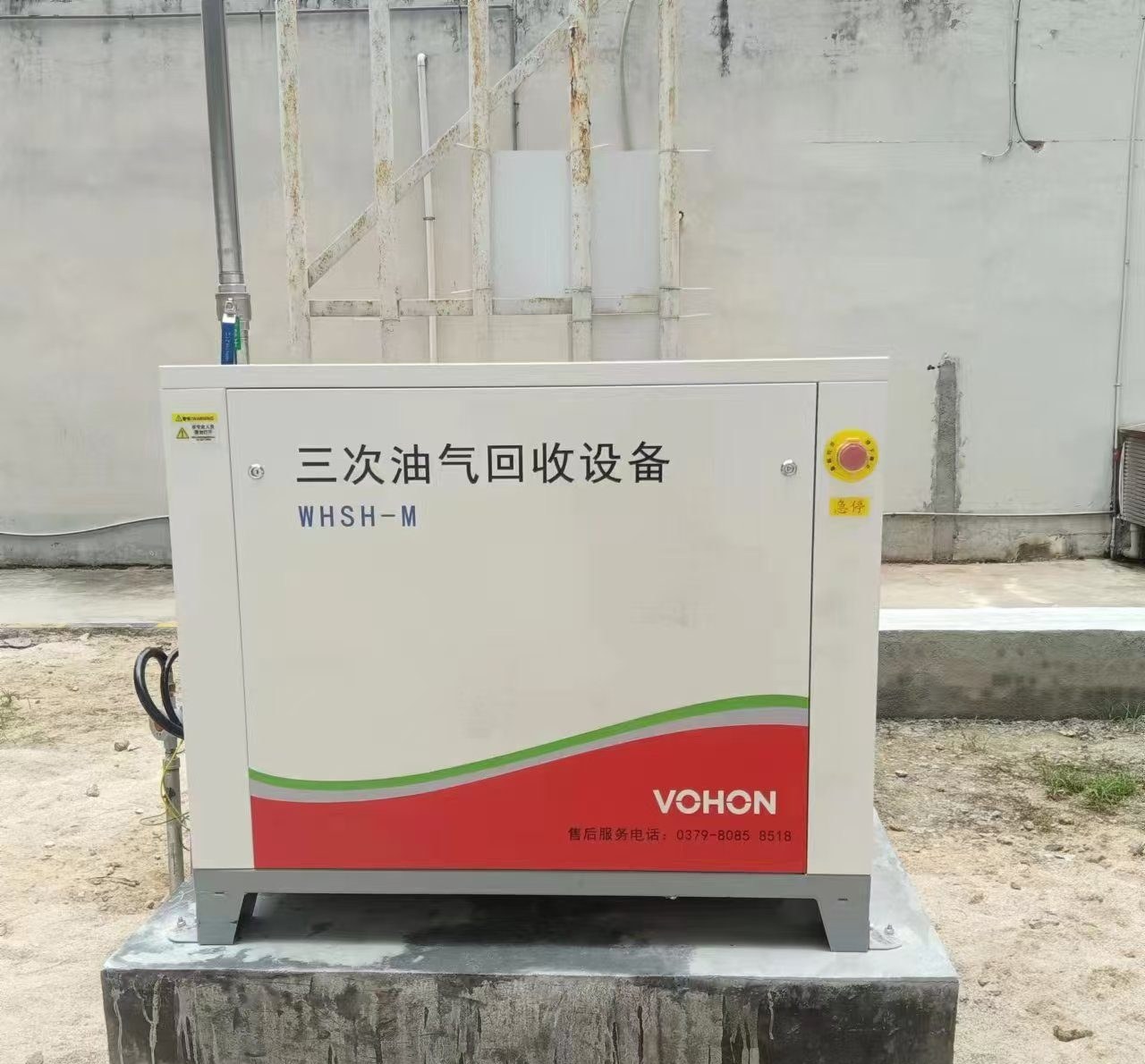
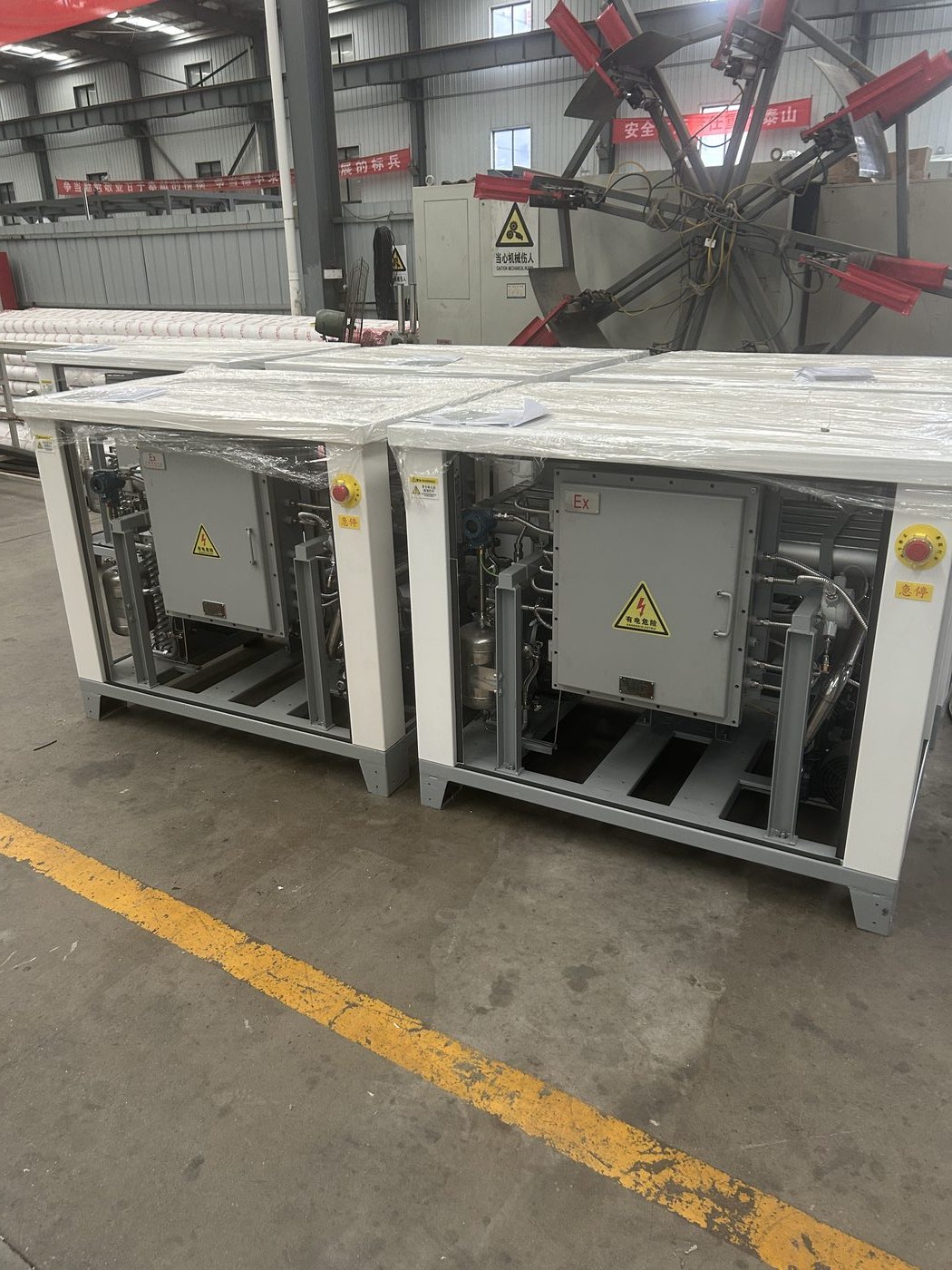
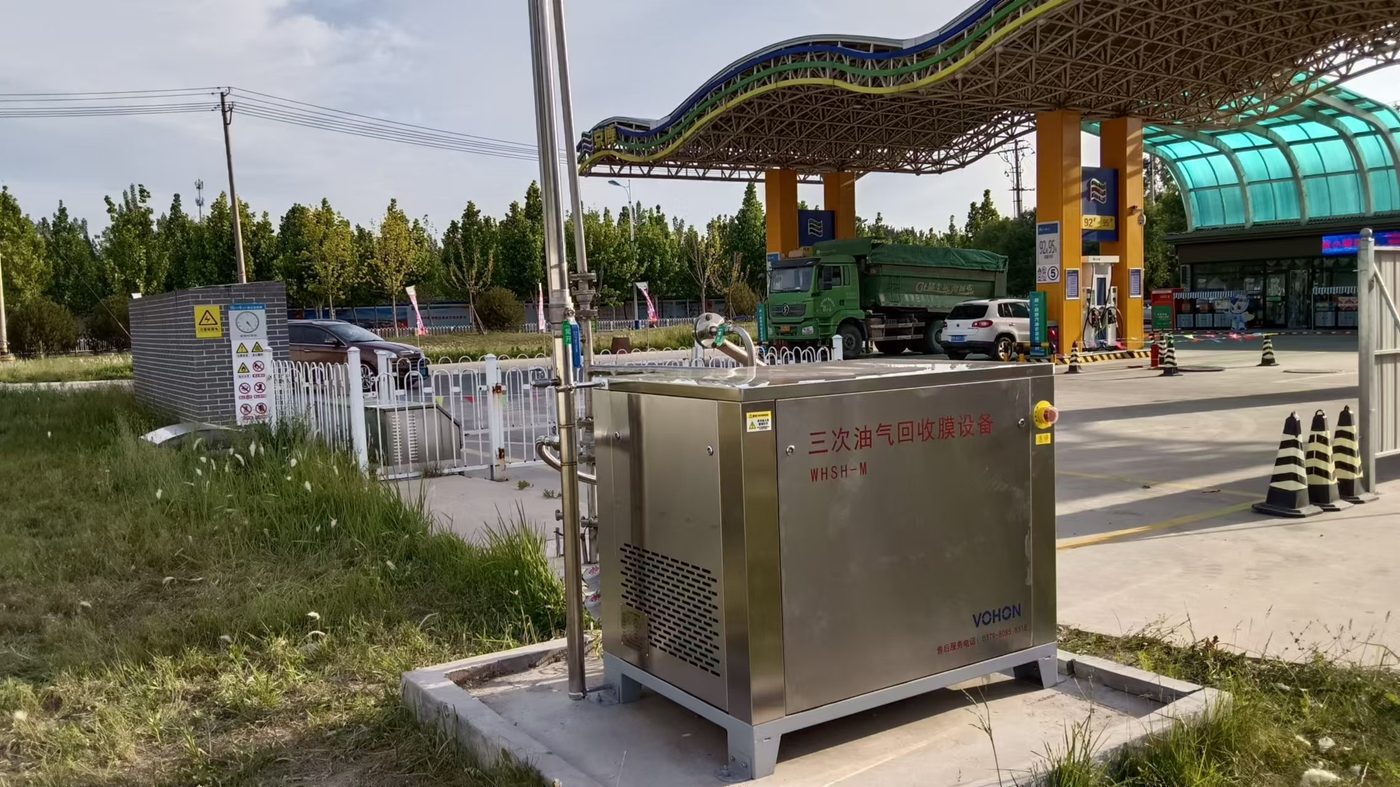
This article is the maintenance reality of a membrane vapour recovery unit, written for the partner who intends to be the one servicing it.
What wears out, and when
| Item | Typical interval | Failure signature |
|---|---|---|
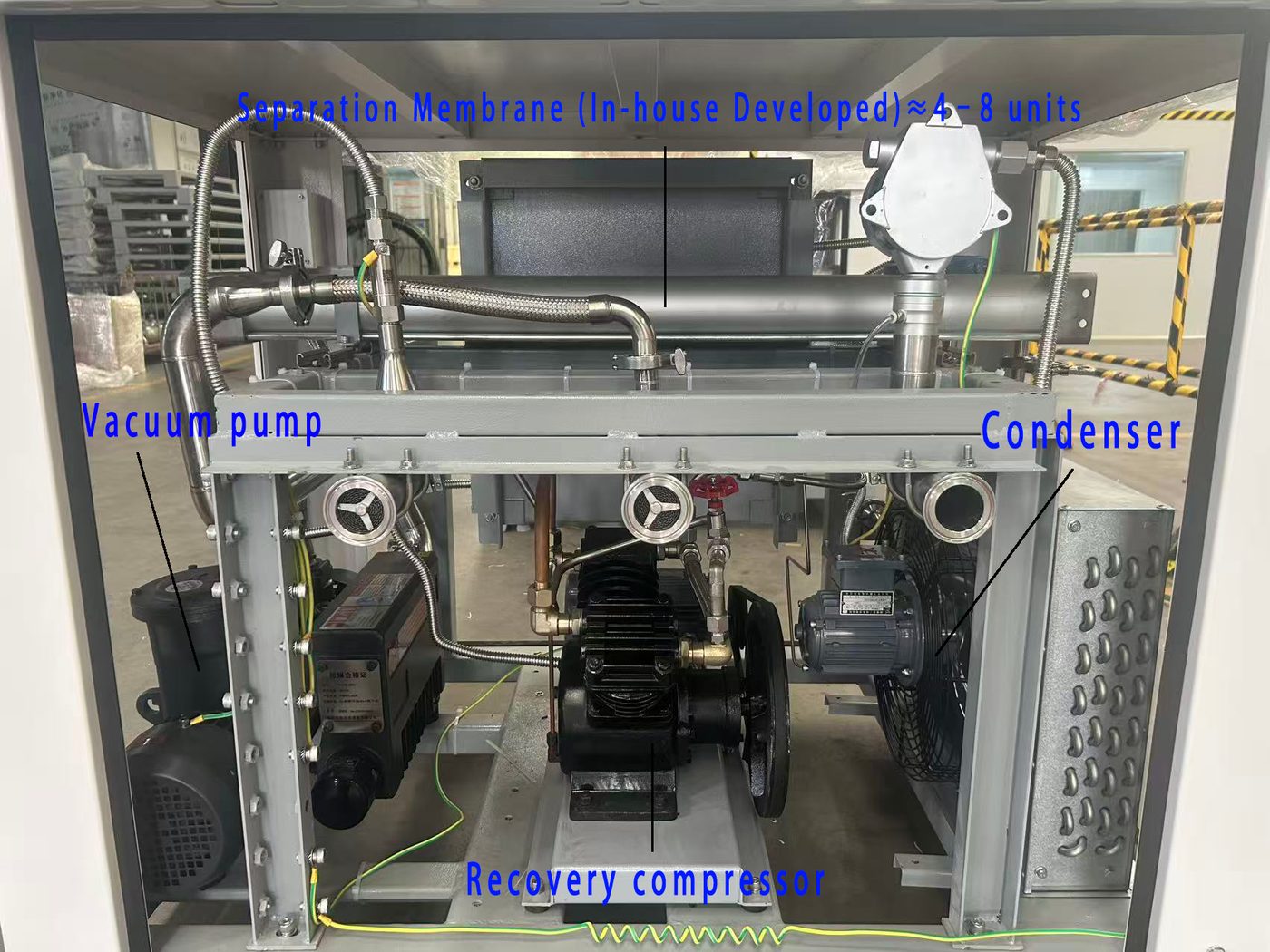
| Pre-treatment filter element | 3–12 months, site dependent | Vacuum drops, recovery falls, membrane blamed |
| Vacuum pump service kit | 12–24 months | Noise, oil consumption, slow evacuation |
| Condenser fan or coil cleaning | 6–12 months | Higher outlet temperature, poorer separation |
| Pressure and concentration transmitters | 2–4 years, or on drift | Readings that no longer match a handheld check |
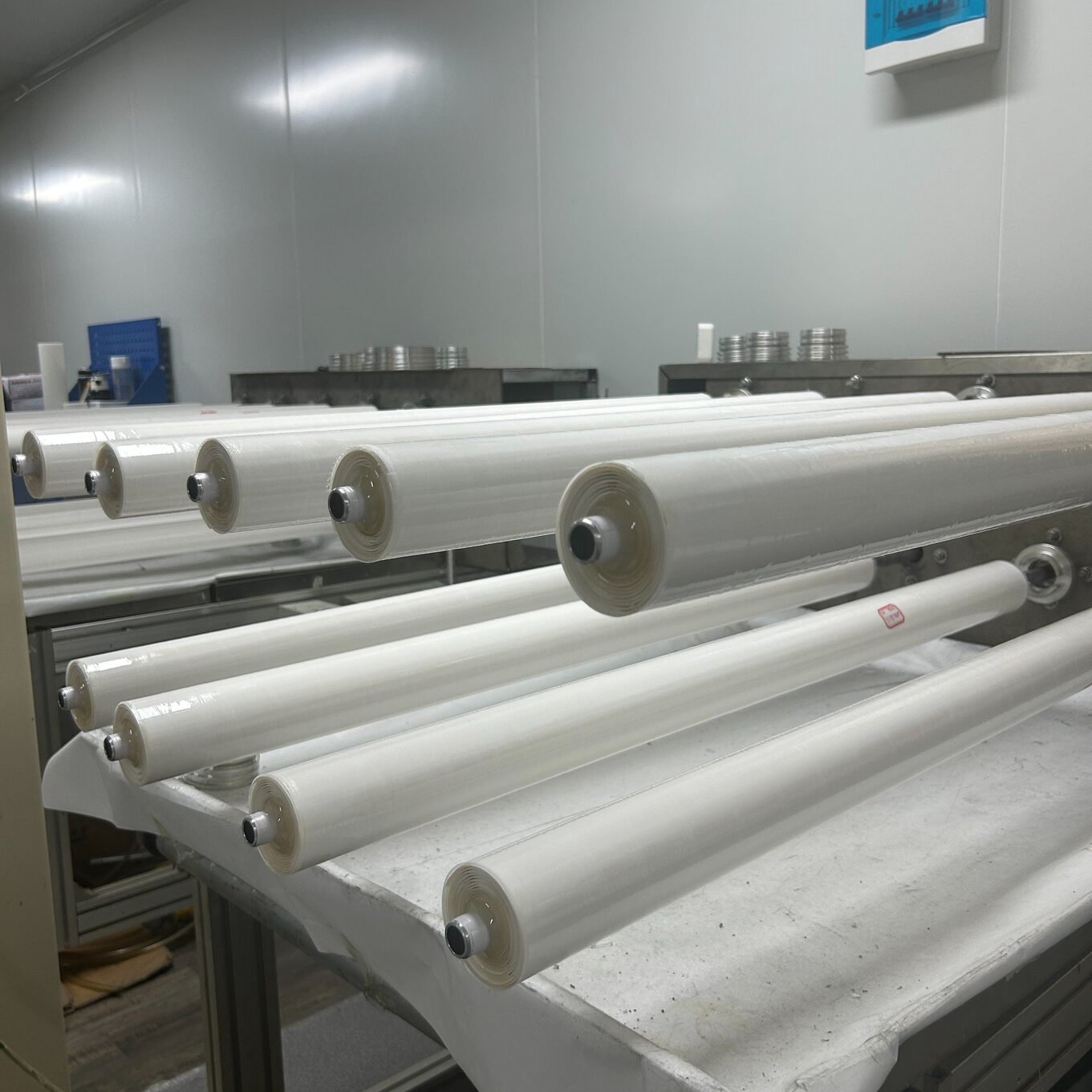
| Membrane element | 3–6 years | Gradual loss of recovery at constant inlet, never a sudden stop |
| Gaskets and flexible connectors | 2–5 years | Small leaks, odour at joints, failed leak test |
The membrane is the item everyone worries about and the one that fails last. In practice most “membrane failures” that reach a factory are pre-treatment failures that a filter change would have prevented. That is worth telling your customer in year one, because it converts a complaint into a service call.
Pricing a service contract that renews
The contracts that get renewed are the ones where the customer can see what was done. Three elements make that visible:
- Two scheduled visits a year, each with a written report: vacuum, stack concentration, filter condition, pump hours, photographs. The report is the product. It is also what the customer shows an inspector.
- Consumables included, hardware excluded. Filters, gaskets and cleaning inside the fee; pump overhaul and membrane replacement quoted separately at an agreed discount. Customers accept this split because it is honest.
- A response commitment, not a promise of zero downtime. “Attend within two working days” is a clause a customer can hold you to and a partner can actually meet. “Guaranteed no downtime” is a clause that ends relationships.
The economics, roughly
As a working assumption for a mid-size skid, annual service revenue runs in the range of a few percent of the original equipment value, with the consumables portion recurring predictably and the membrane replacement arriving as a spike in year four or five. Across an installed base of twenty units, that is a business line — and it is a business line that grows every year without a single new customer.
The trap is selling the first unit without a service agreement because the customer did not ask for one. The customer rarely asks. The partner who offers a two-year service contract at the point of sale gets it more often than not, because the same person signing the capital approval is also signing the maintenance budget.
Spares as a differentiator, not a cost
In most tenders every supplier can offer a skid. Very few can say “the filter element is on a shelf in your country and we will fit it on Thursday”. That sentence wins repeat business more reliably than a lower price, and it costs a partner the price of three filters and one pump kit.
Ask for the spares and service price list
Tell us the country, the product line and the customer type you already sell to. We reply with the territory map, the price band and the support package that applies — usually within one working day.
Phone / WeChat: +86 135 2699 0215 | WhatsApp: +86 185 3794 6079 | Email: lixiang@vohon.cn