There is a specific kind of company for which distribution is the wrong model: it already has a brand, a catalogue and a customer list, and adding someone else’s nameplate to its range dilutes what it has built. For that company, private label is the right conversation, and it is a different conversation from buying equipment.
What private label actually means here
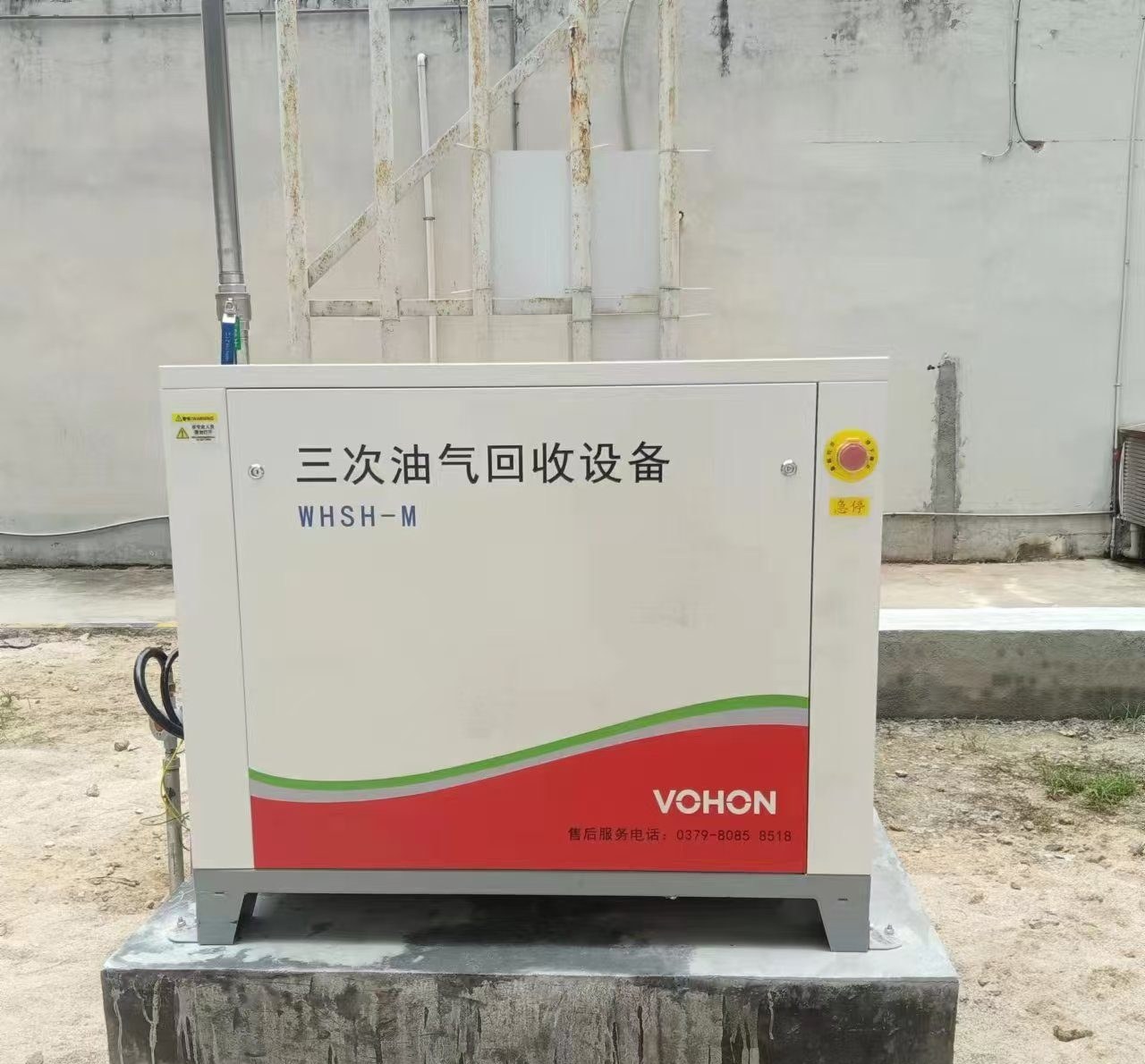
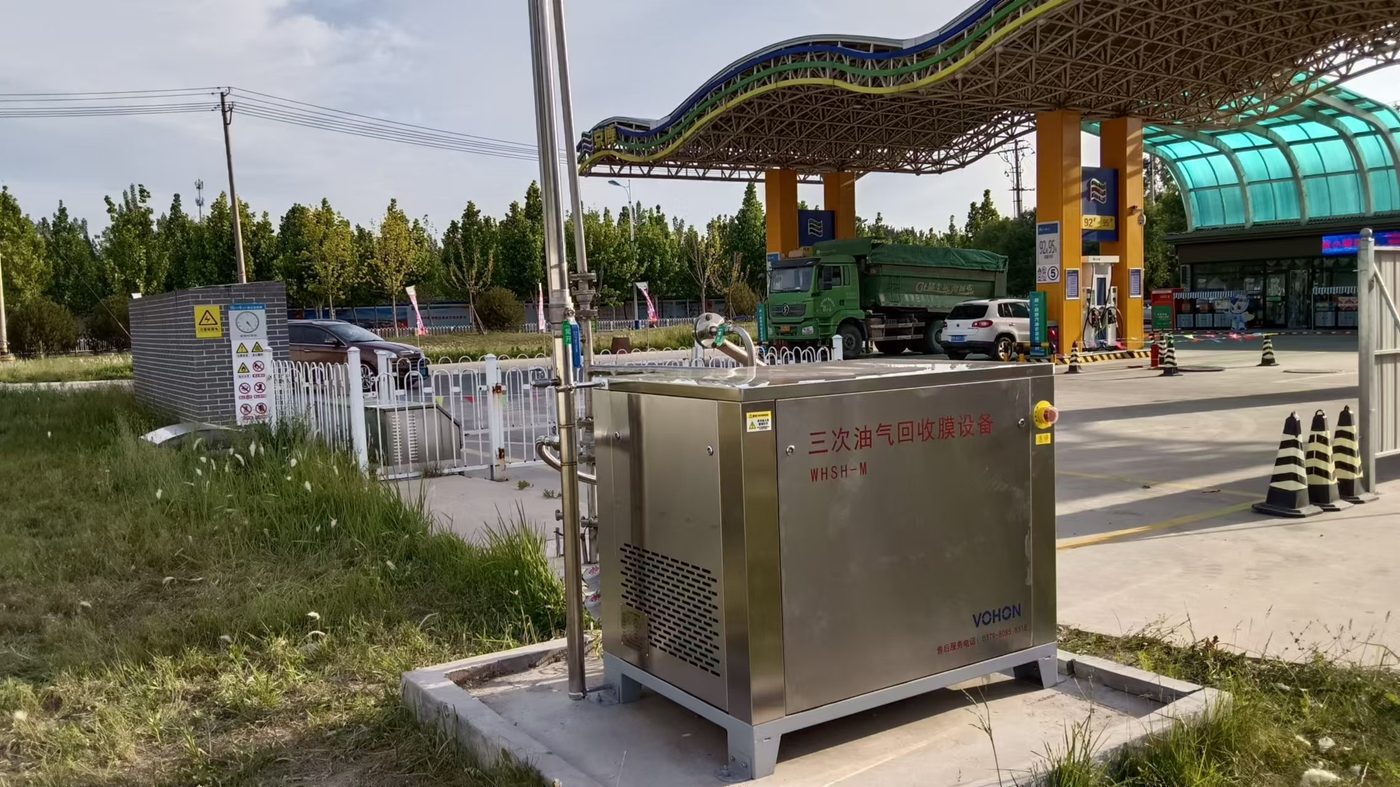
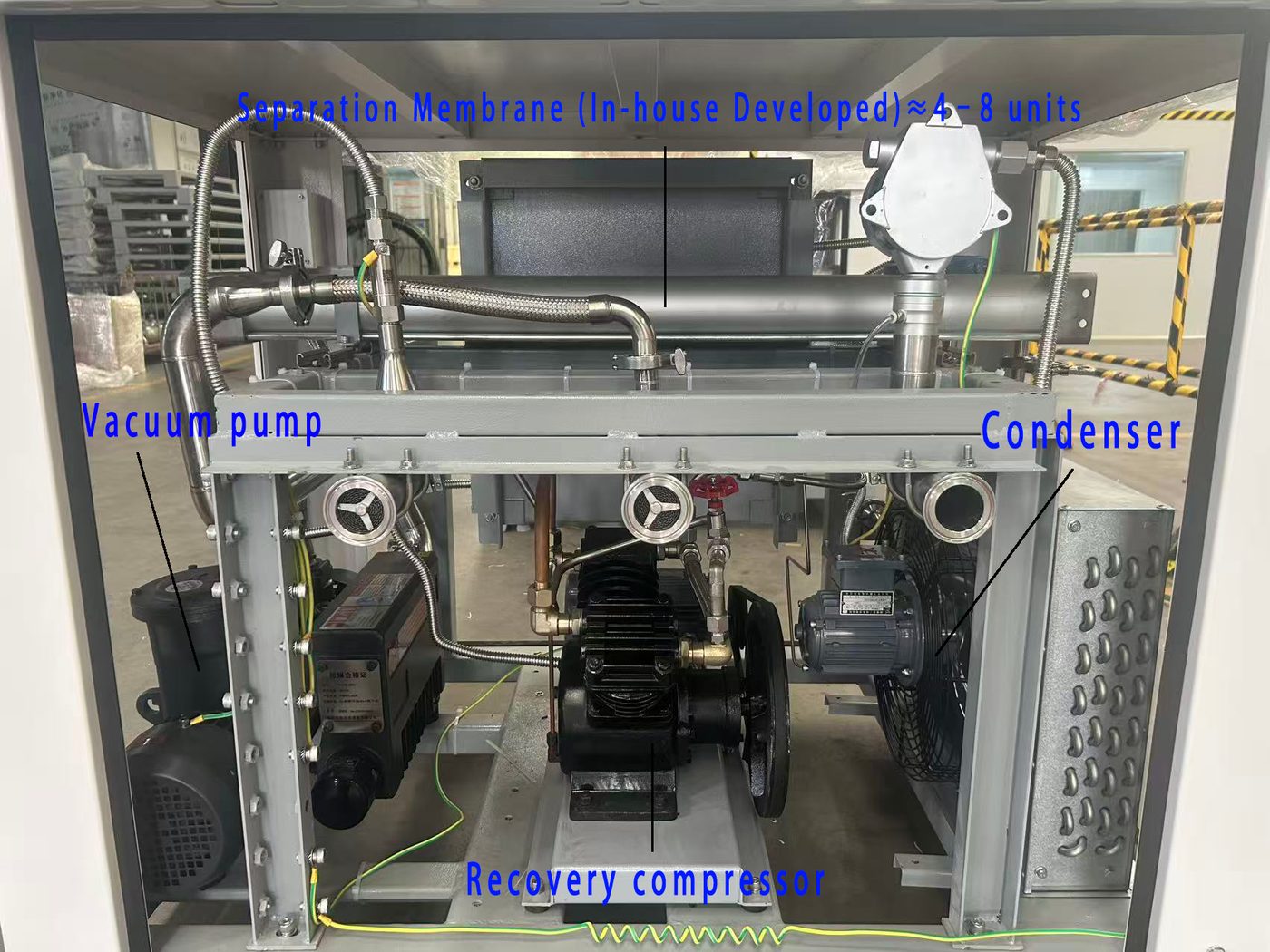
We manufacture a vapour recovery or VOCs separation skid to an agreed specification, apply your nameplate, ship with your manual and your drawings, and do not appear in your customer’s paperwork. Your customer buys your product. Our name stays in the factory.
This is not a sticker exercise. Three things have to be settled before the first unit:
- Specification lock. Which model, which capacity range, which options are standard for your market. Changing a specification after tooling and documentation are set is expensive; deciding it once, properly, is cheap.
- Documentation. Manual, drawings, maintenance schedule and nameplate artwork in your format. We supply an editable base; you make it sound like you.
- Support boundary. Who answers the first call from the end user. Most private-label partners take first-line support themselves and escalate to us with a log and readings, which works well as long as both sides know the rule before the first failure, not after.
Where private label wins and where it does not
| Situation | Private label? | Why |
|---|---|---|
| Established brand adding a product line | Yes | The brand carries the trust; the factory supplies capability |
| New company with no market presence | No | A brand nobody knows adds cost without adding price |
| Distributor with strong service reputation | Usually yes | Customers already buy service; product ownership completes it |
| Project integrator bidding tenders | Rarely | Specifications often name the platform; branding is irrelevant |
What you can vary
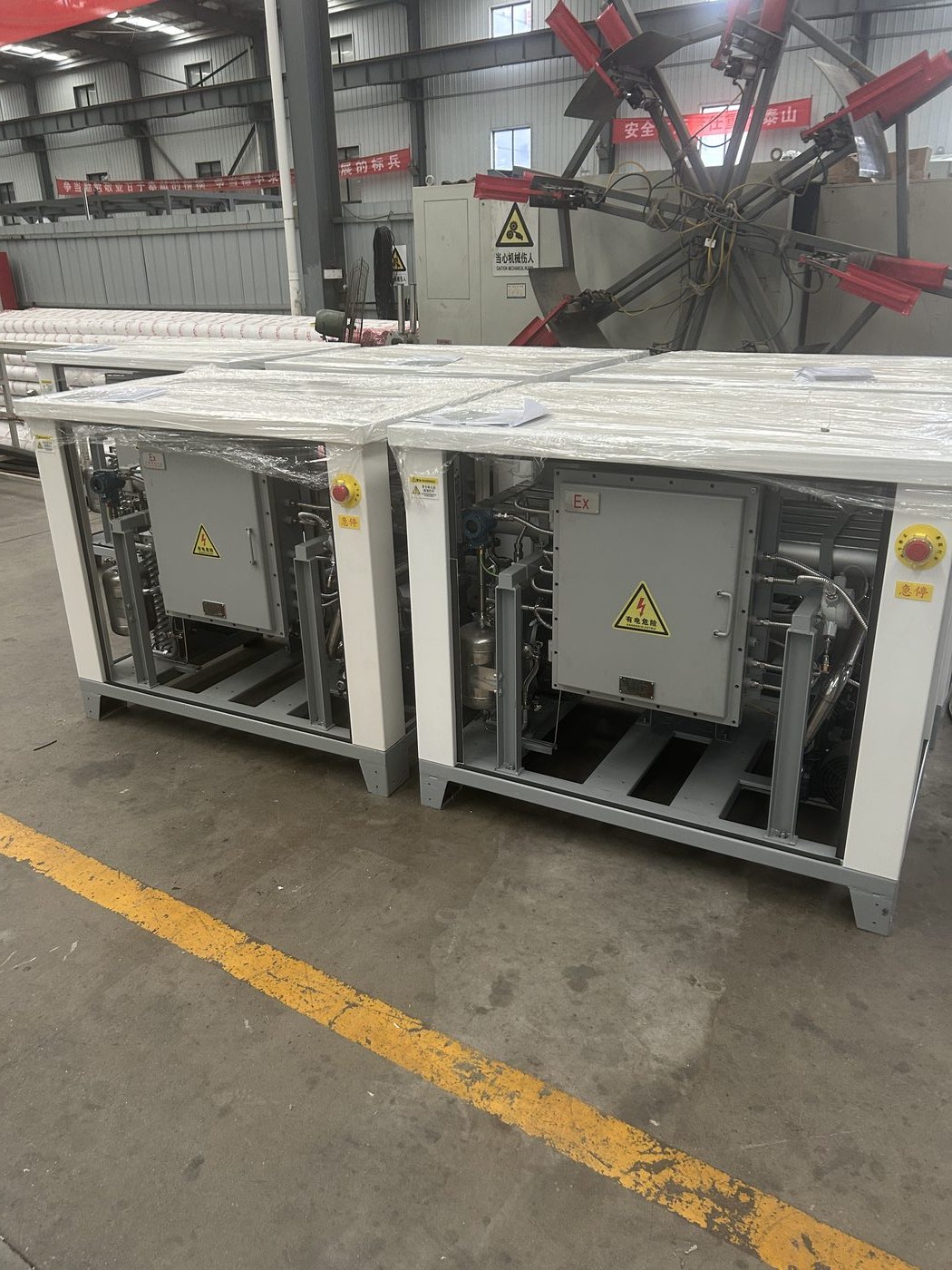
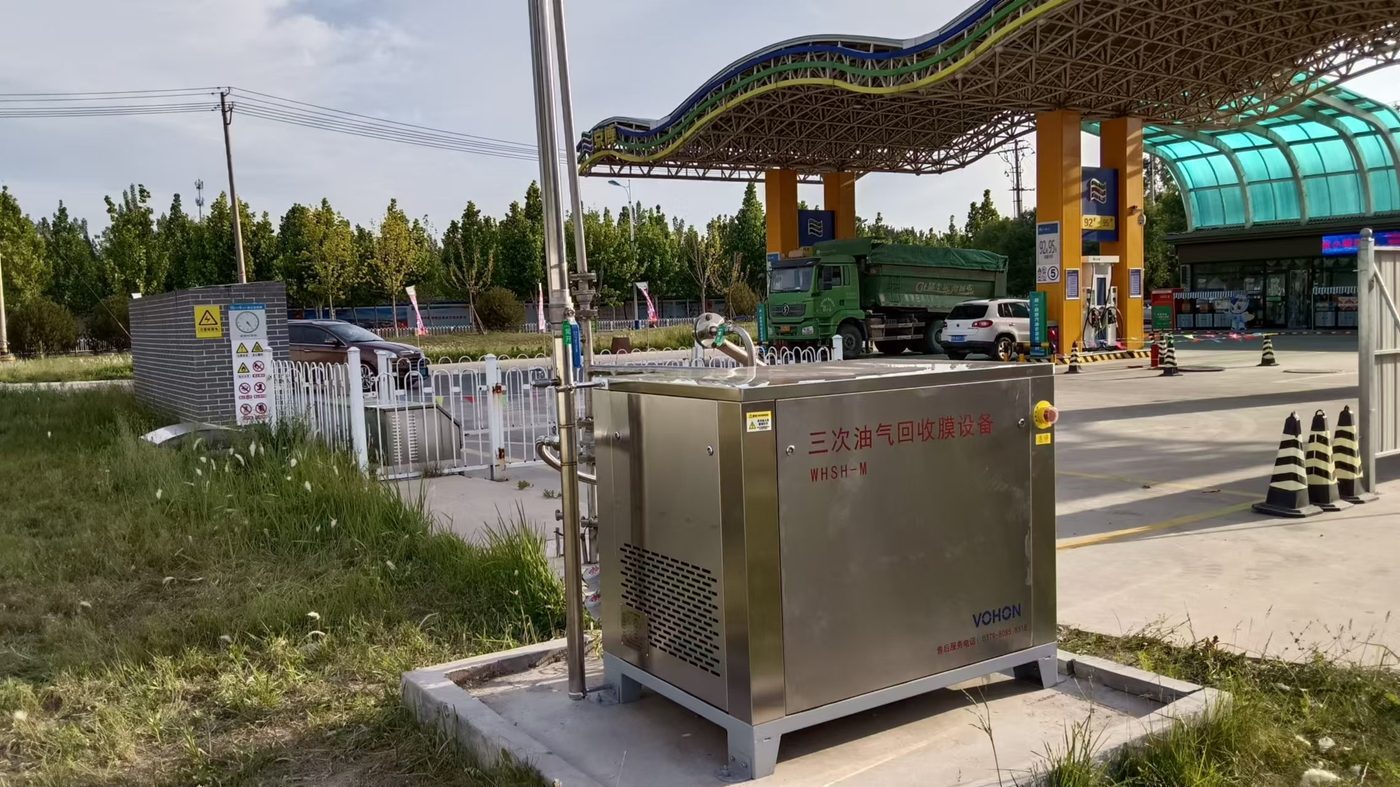
- Enclosure and paint — panel layout, colour, logo, and whether the frame is open skid or walk-in cabinet.
- Control interface — your HMI graphics, your terminology, your alarm naming. Operators learn your words, not ours.
- Documentation language and structure — including a local-language operator page, which is often the difference between a unit that runs correctly and one that gets left in manual.
- Model naming — your numbering, your data sheet format.
What stays fixed, and why
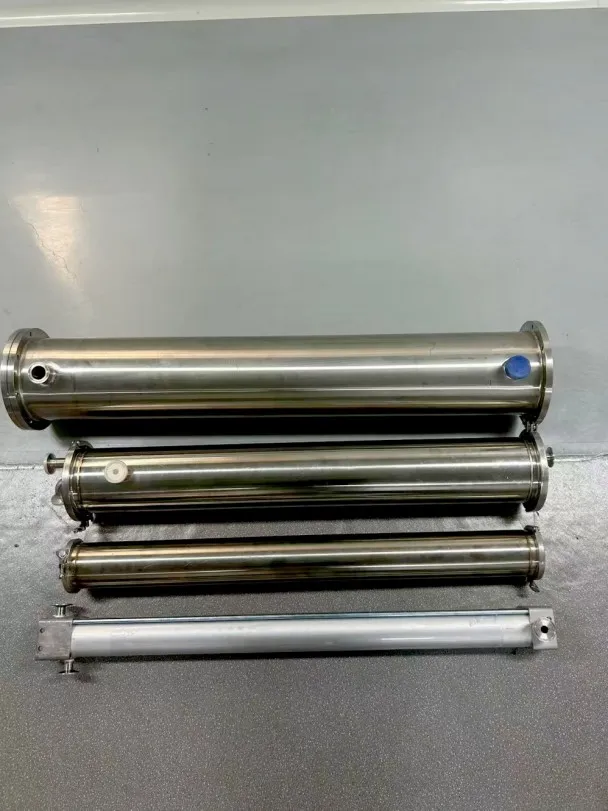
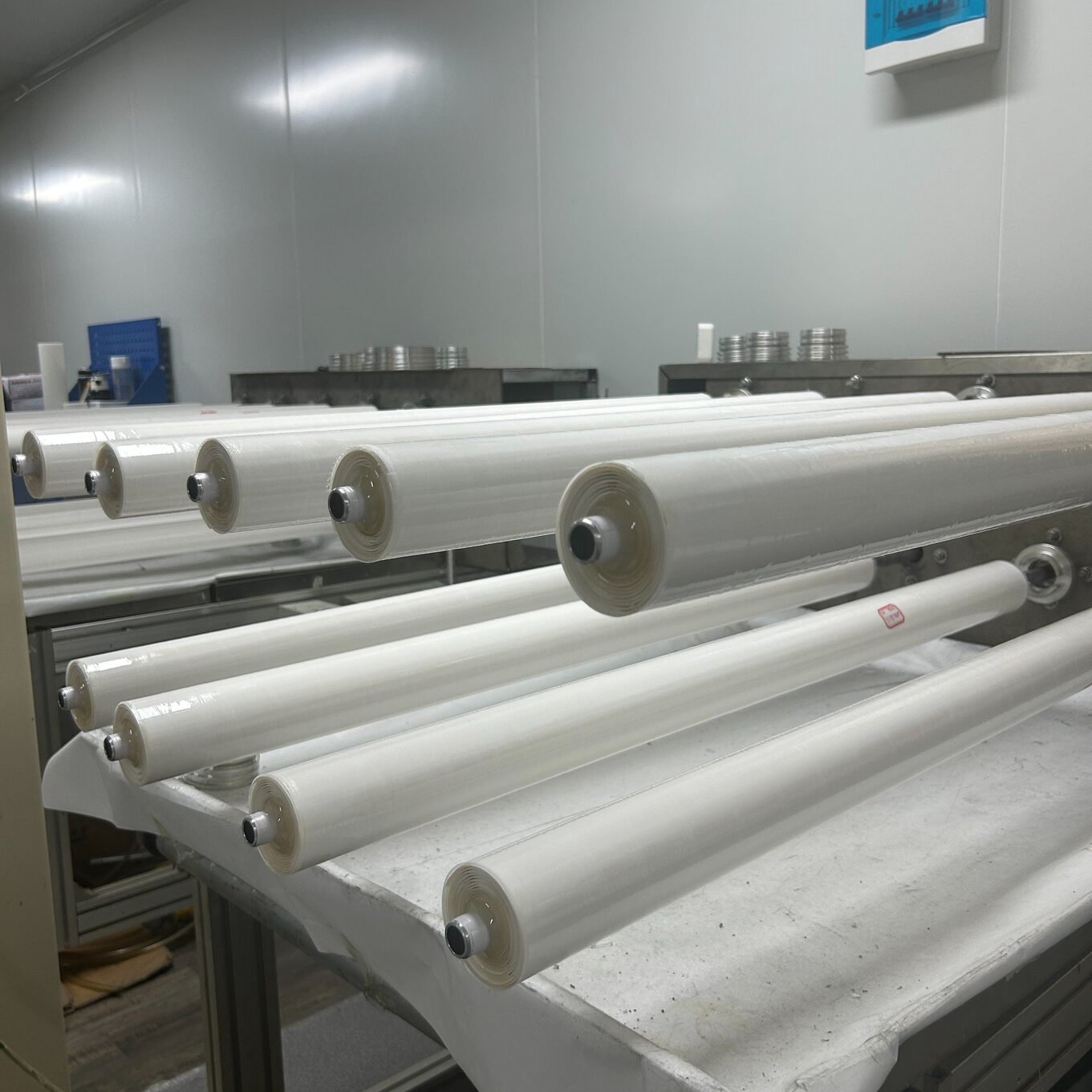
The membrane element, the pre-treatment design and the vacuum train stay as designed. These are the parts that determine whether the unit still holds its stack concentration in year five, and they are not the place to save cost. A private-label unit that underperforms is not a manufacturing defect — it is your brand’s defect, permanently. That is the honest risk of this model, and it is why we will decline a specification change that we know will hurt field performance, even when it is requested.
Getting started
The usual path is: one unit under your brand as a trial, run on a site you control or a friendly customer, with a full as-found record. If the readings hold for a season, the second order is a range rather than a unit. Minimum order quantities apply per model from the second order onwards, and are modest enough that a single trial does not commit you to a container.
Discuss a private-label programme
Tell us the country, the product line and the customer type you already sell to. We reply with the territory map, the price band and the support package that applies — usually within one working day.
Phone / WeChat: +86 135 2699 0215 | WhatsApp: +86 185 3794 6079 | Email: lixiang@vohon.cn