Most vapour recovery projects do not fail on the equipment. They fail in the gap between what the customer expected and what the scope actually contained. This is the sequence we run, with the responsibilities marked, so a partner can see exactly where their work starts and where ours stops.
The eight stages
| # | Stage | Owner | Output |
|---|---|---|---|
| 1 | Enquiry and data capture | Partner | Four sizing inputs plus a site sketch |
| 2 | Sizing and selection | VOHON | Model, expected stack range, utilities |
| 3 | Commercial offer | Partner | Customer-facing quotation with partner margin |
| 4 | Drawing approval | VOHON, then customer’s consultant | GA, P&ID, foundation loads, single-line diagram |
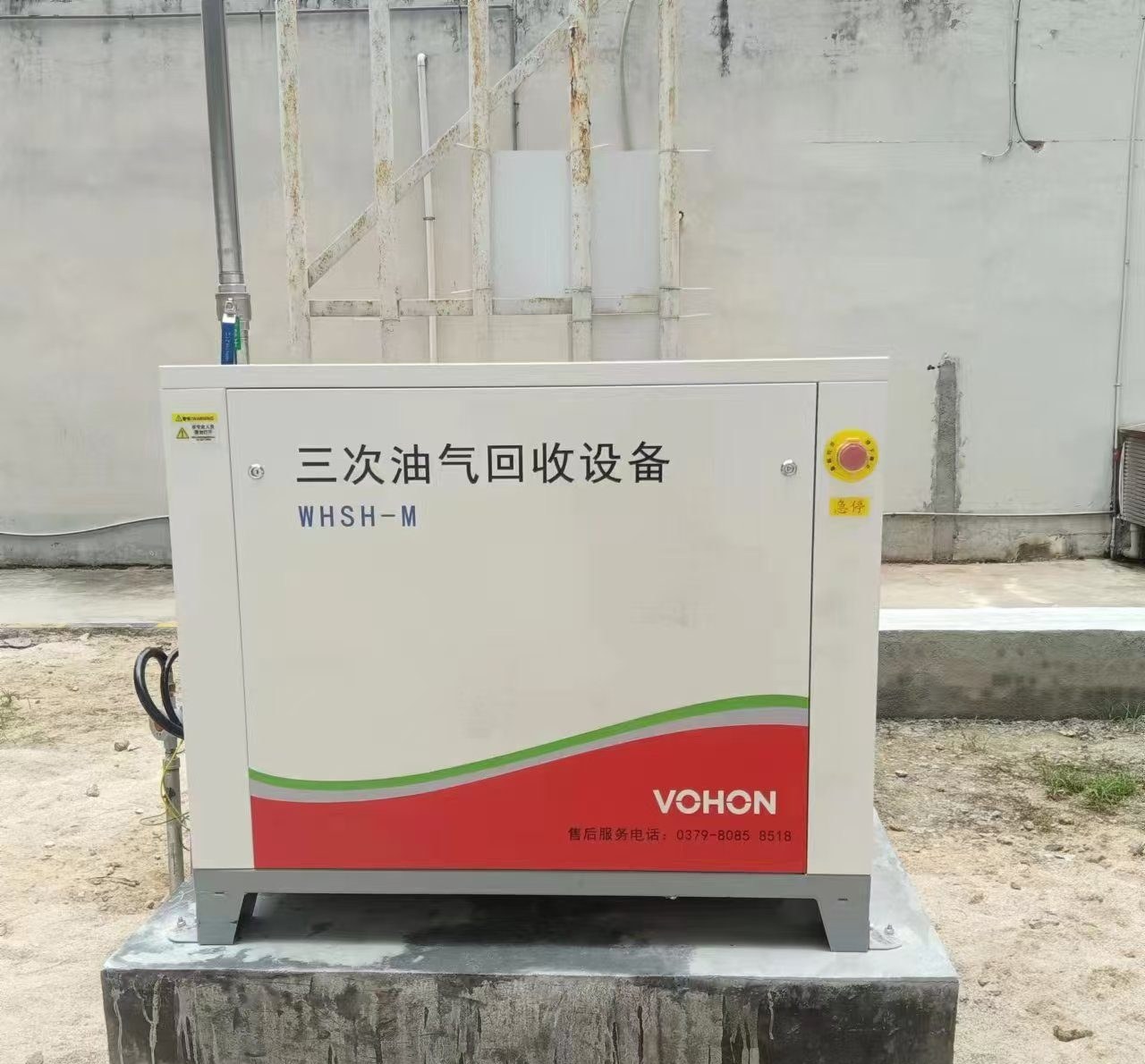
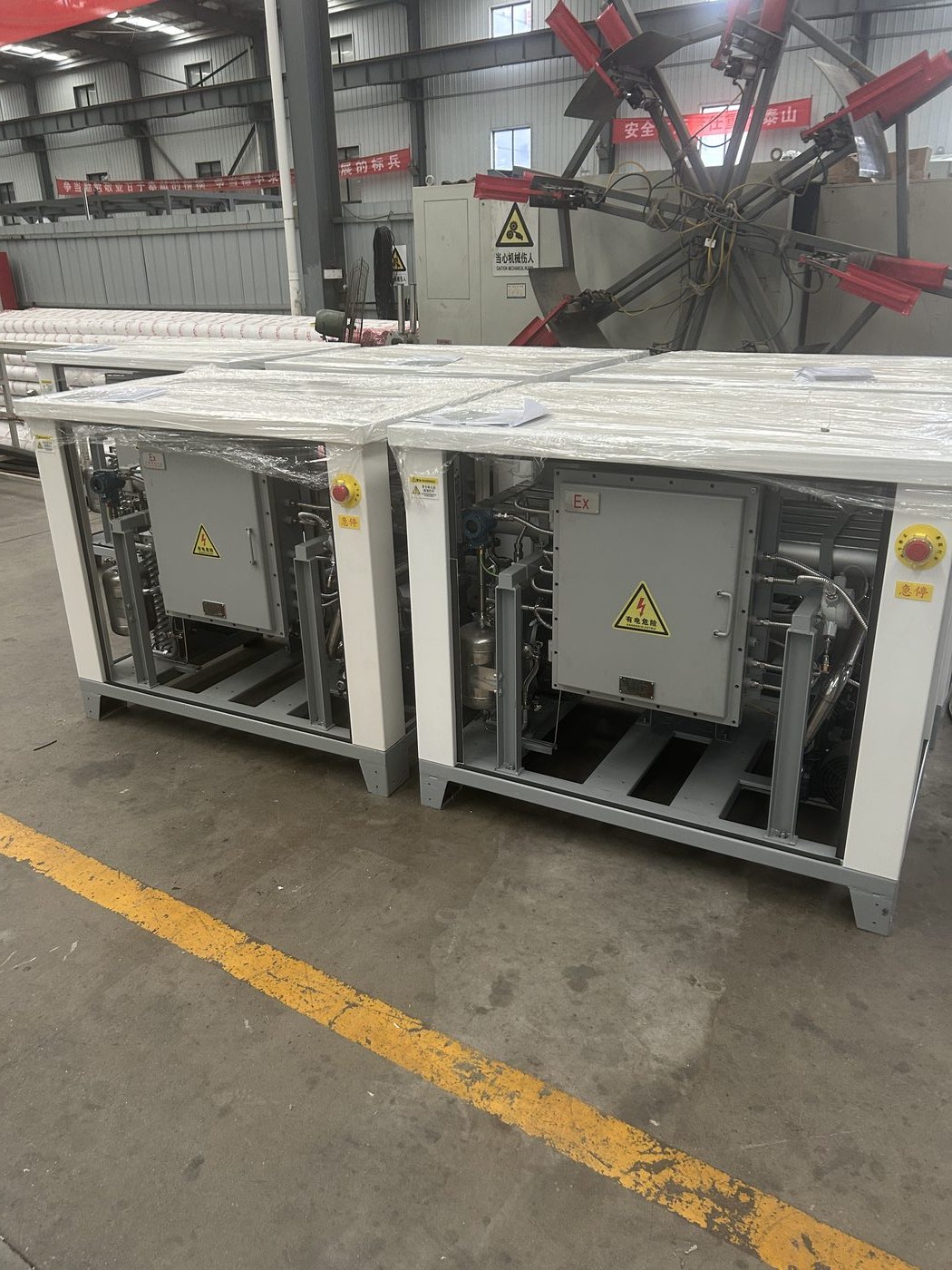
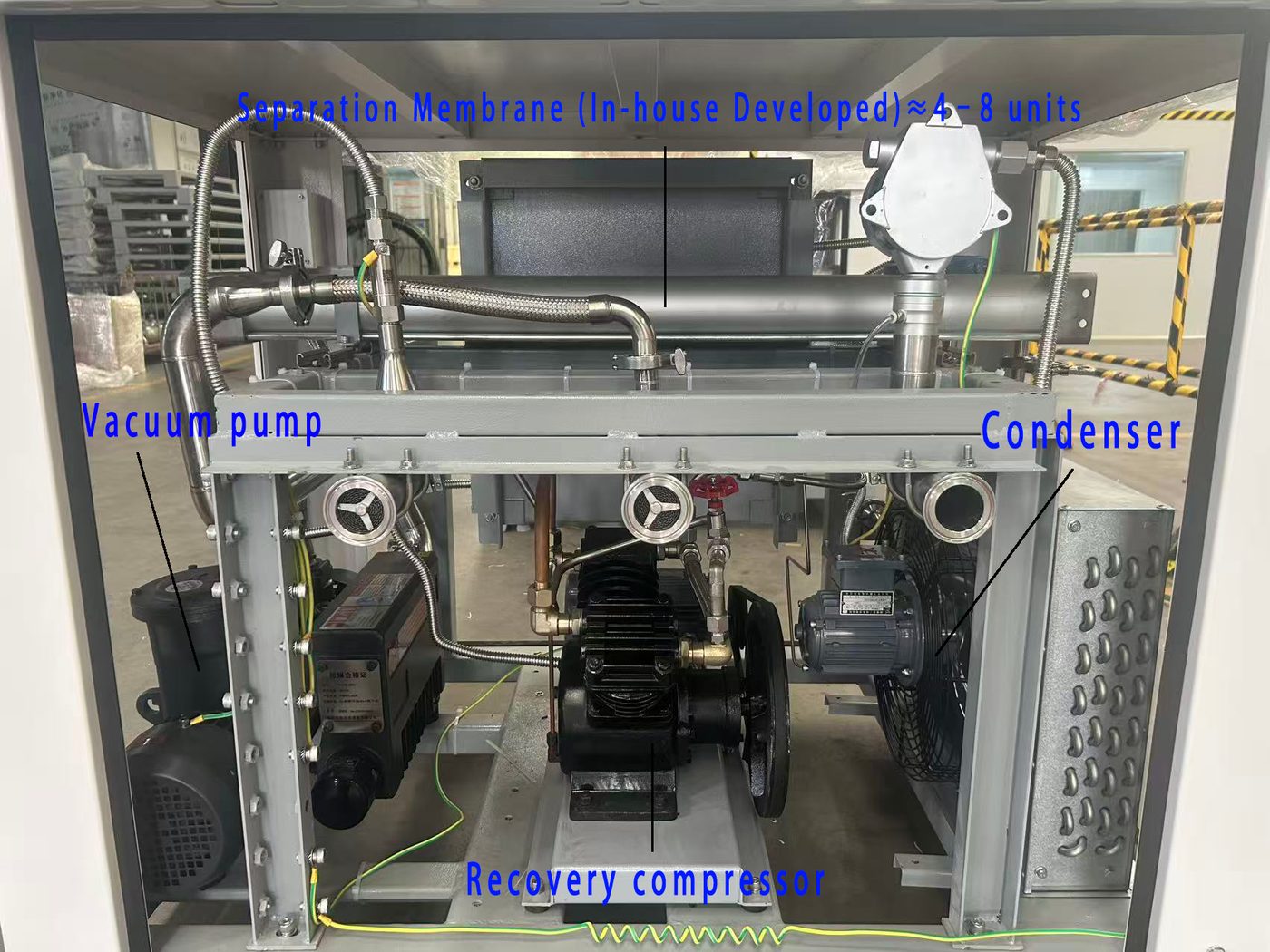
| 5 | Manufacture and factory test | VOHON | Test record, photographs, packing list |
| 6 | Shipping and import | Partner | Cleared goods on site |
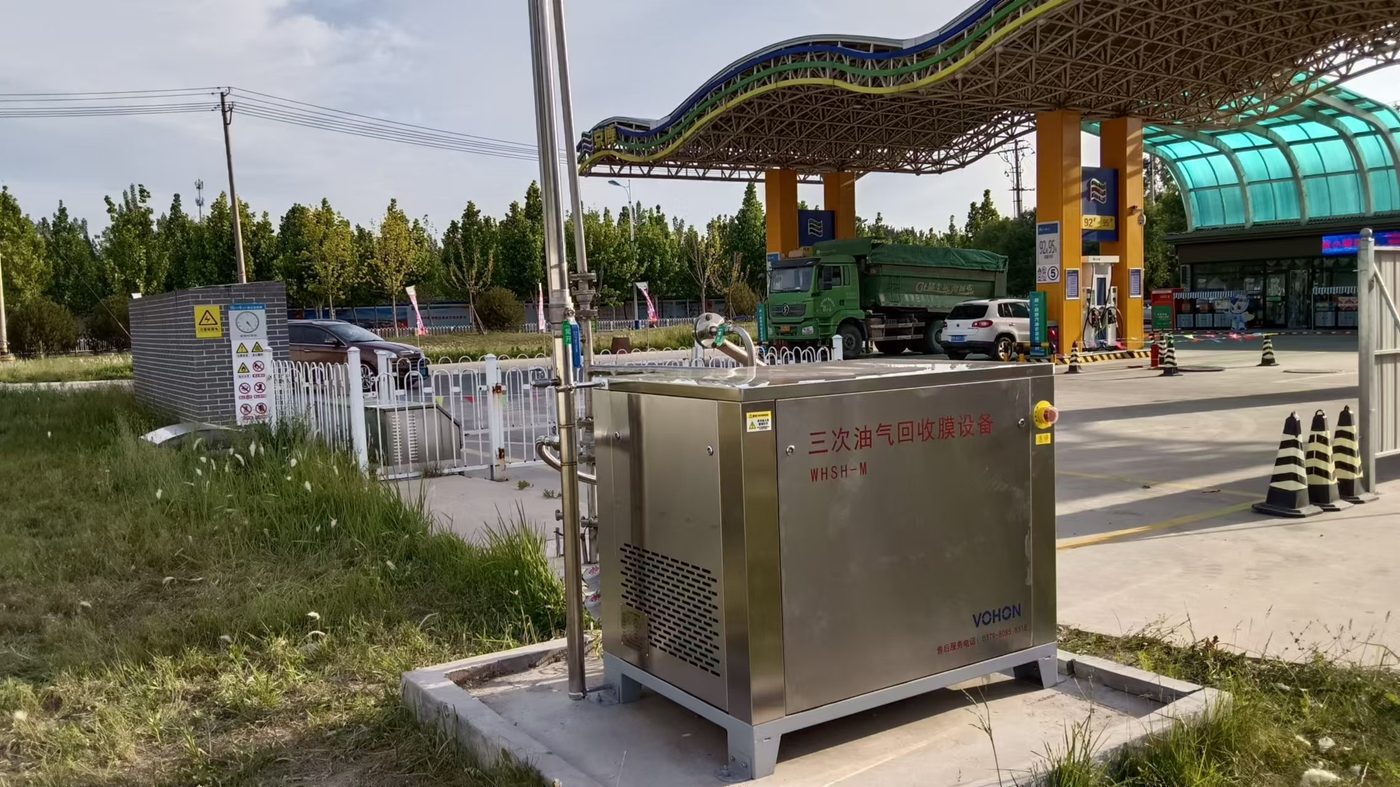
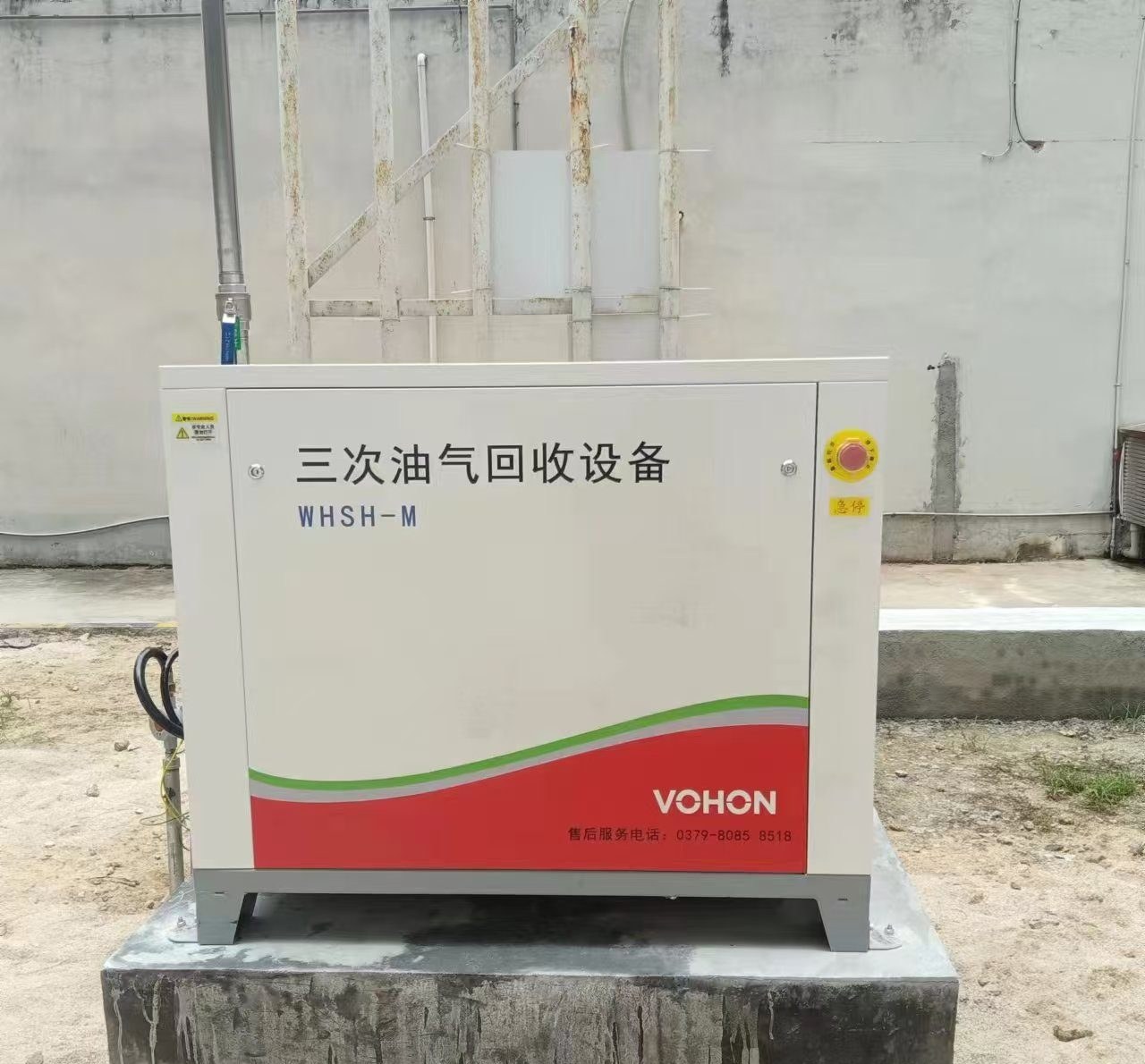
| 7 | Installation | Partner | Skid set, vapour line connected, power on |
| 8 | Commissioning and acceptance | Joint | As-found record, operator training, signed acceptance |
Where projects actually go wrong
In our experience the damage is almost always done at stage 1 or stage 4, long before a machine is built.
At stage 1, the enquiry arrives as “we need a vapour recovery unit, please quote”. Without the loading rate and the target stack concentration, anything quoted is a guess with a price attached. A partner who sends the data form back gets a real selection within a day; a partner who forwards the email gets a range and a caveat.
At stage 4, the drawing is approved by someone who is not the person who will operate the unit. The vapour line is routed through a space that later becomes a walkway, or the stack exits where a neighbouring property will complain about the noise. These are layout decisions, not equipment decisions, and they cost more to fix after fabrication than before.
Timelines we will commit to
- Sizing and selection: one working day from complete data.
- Drawing pack: three to five working days after the selection is confirmed.
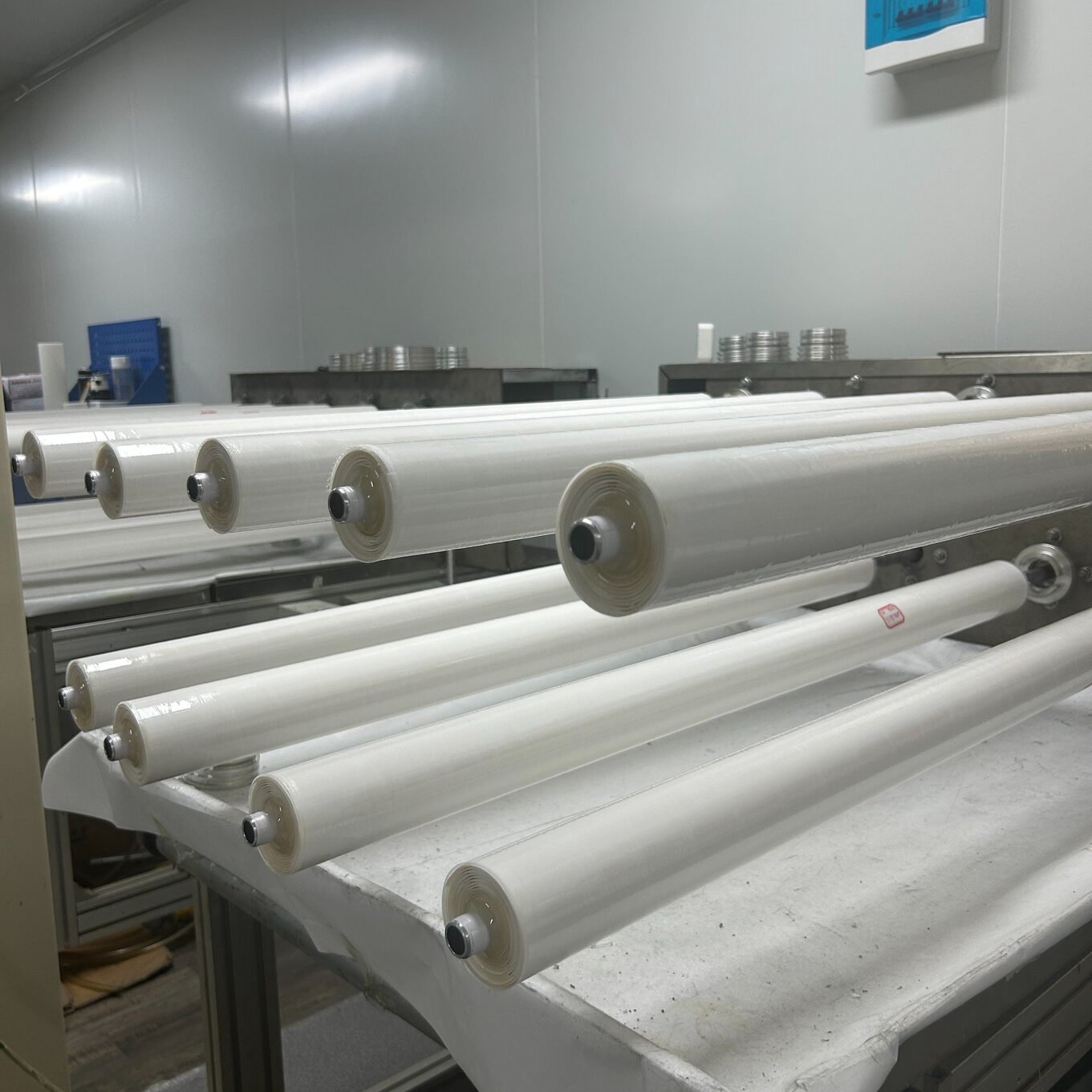
- Manufacture: typically four to six weeks for a single skid, longer for multi-unit orders and for air-cooled configurations.
- Commissioning: one to three days on site for a first unit, half a day for a repeat installation.
These are commitments we can hold because they exclude the two things we do not control: the customer’s approval cycle and freight.
What “acceptance” should mean
Write the acceptance criteria into the offer, not the manual. In practice three measurements: the unit holds the specified vacuum under normal load, the stack concentration sits within the agreed range at the recorded inlet conditions, and the operators can start, stop and reset the unit without calling anyone. If those three pass, the project is finished. If the customer wants a different criterion — a specific number at a specific ambient temperature, for instance — that has to be agreed before fabrication, because it may change the model.
Partners who define acceptance at stage 3 collect faster and argue less. Partners who leave it vague spend the last month of every project negotiating.
Walk us through your next project
Tell us the country, the product line and the customer type you already sell to. We reply with the territory map, the price band and the support package that applies — usually within one working day.
Phone / WeChat: +86 135 2699 0215 | WhatsApp: +86 185 3794 6079 | Email: lixiang@vohon.cn