Equipment is easy to sell and hard to support. The moment a partner’s reputation is decided is not the signing, it is the afternoon when the unit has been running for two hours and the stack reading will not come down. This article describes exactly how we prepare a partner for that afternoon.
Sizing: four numbers and a product type
Most sizing errors come from a single input being guessed. We need four numbers and one description, and we ask for them in the same order every time:
- Loading rate — the highest simultaneous flow you expect, in m³/h or in loadings per hour with compartment size.
- Product — gasoline, ethanol blend, diesel, solvent, crude. Vapour loading differs enormously, and a unit sized on diesel assumptions will be undersized for gasoline.
- Vapour temperature — ambient at the gantry, plus whether the line runs exposed to sun or through a shaded rack.
- Inlet concentration, if known — measured or estimated from the product and loading method. If nobody knows, we size on a conservative assumption and say so in writing.
- Target stack concentration — what your local authority will accept, not what we would prefer. This single number moves the design more than any other.
The output is a sized model, an expected stack range and the utility requirements. If an offered unit’s capacity is not derived from these inputs, it is a catalogue number, not a selection.
Training: three days, two people, one unit in pieces
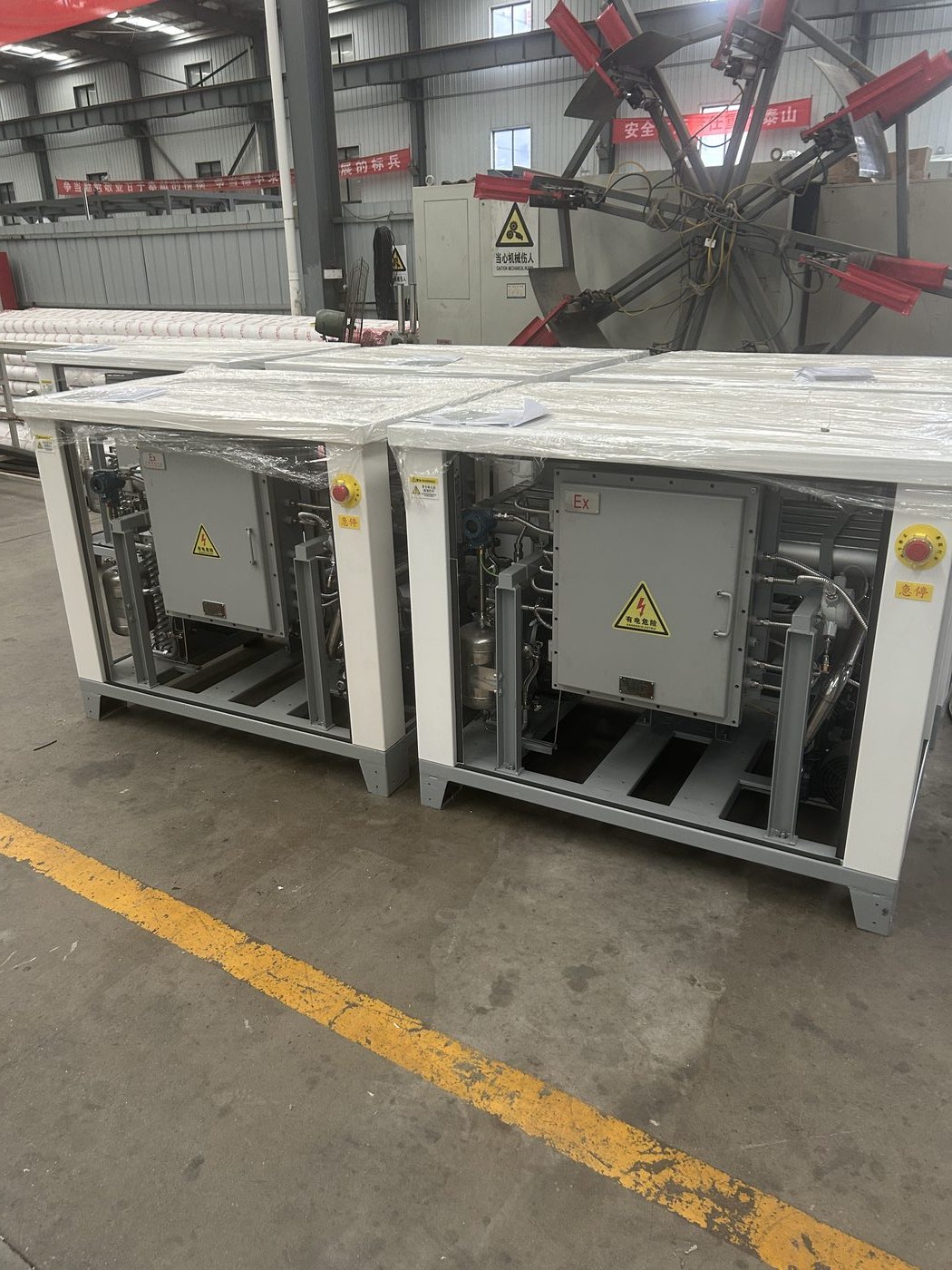
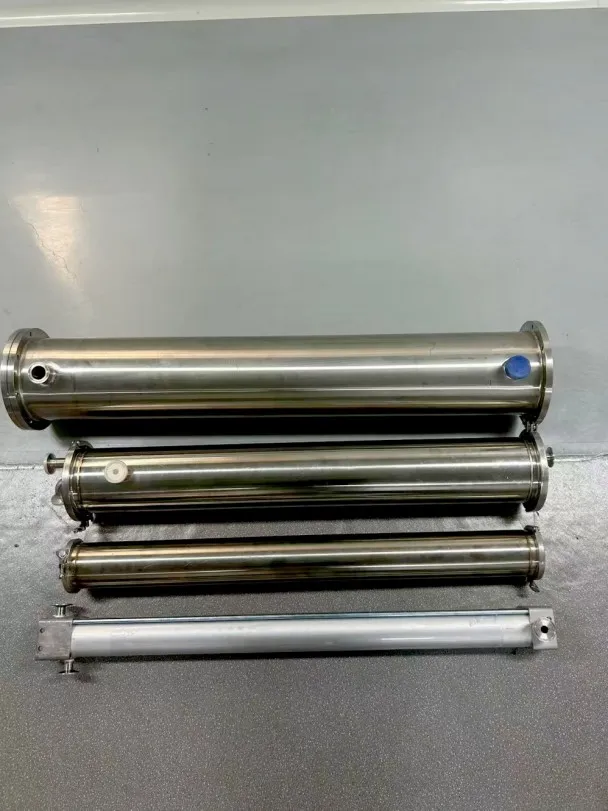
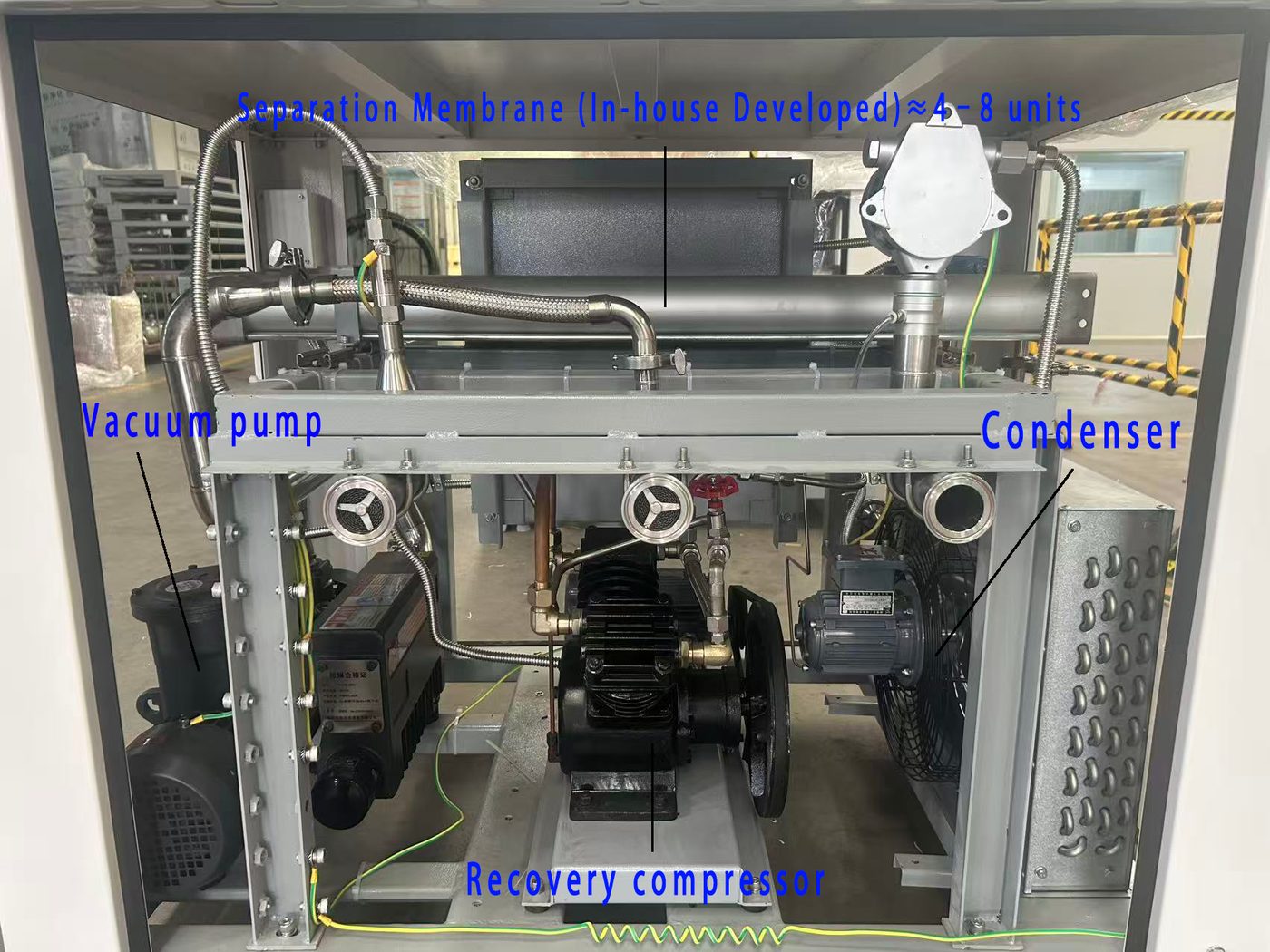
The training is deliberately hands-on and deliberately limited to two people per partner, because a crowd learns nothing. Day one is the process — what the membrane does, why pre-treatment exists, what happens to the retentate. Day two is the hardware, on an assembled skid with panels open. Day three is fault-finding: we inject four or five realistic faults and the trainees find them with the manual closed.
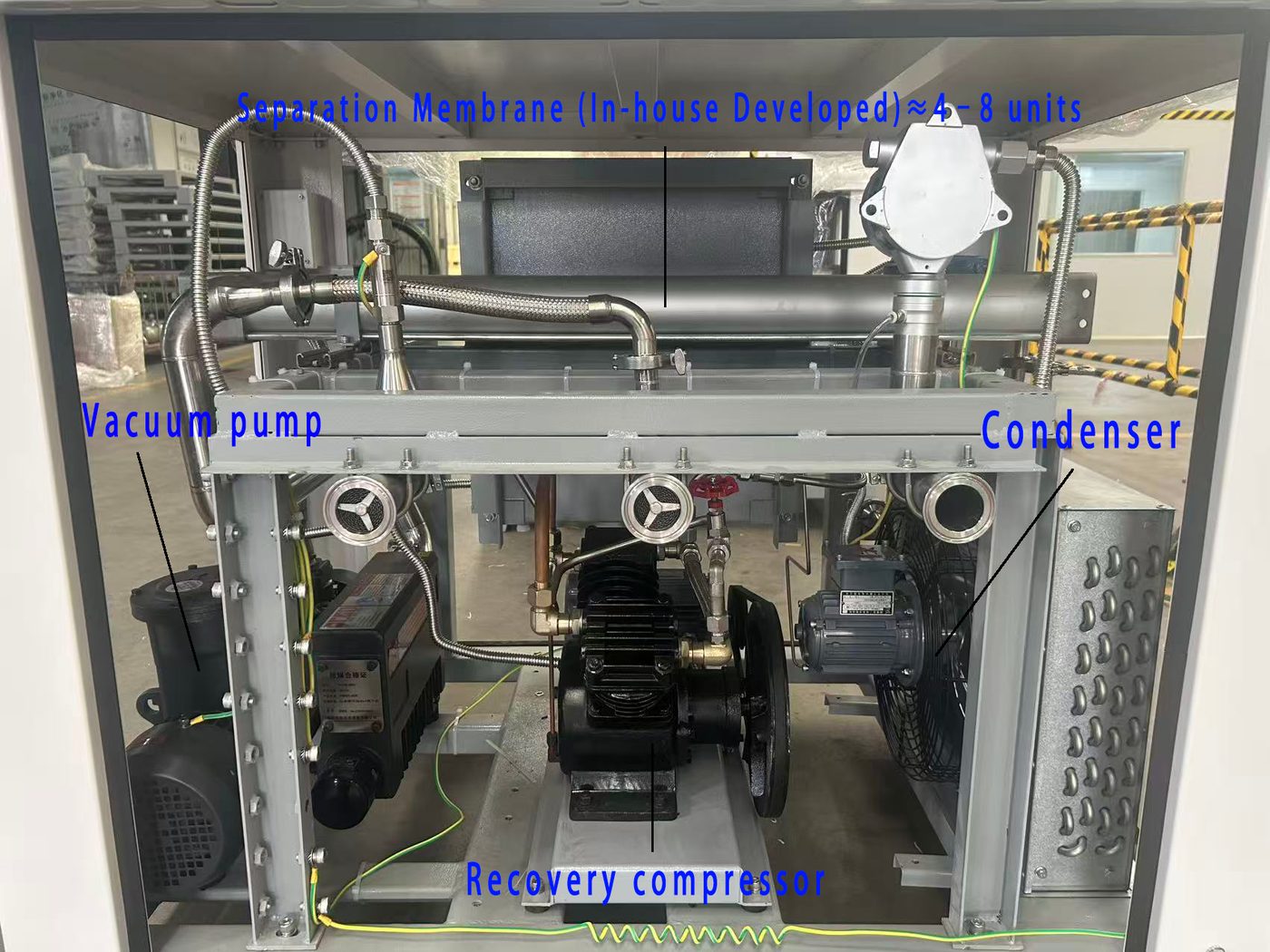
The faults are not exotic. They are the ones that actually happen: a saturated pre-treatment filter, a vacuum pump running but not evacuating, a condenser fan failure, a transmitter reading drift, and a control sequence that has been left in manual by an operator.
Remote commissioning: what it can and cannot do
We do not fly engineers to every startup, and we say that before the order rather than after. What we do instead:
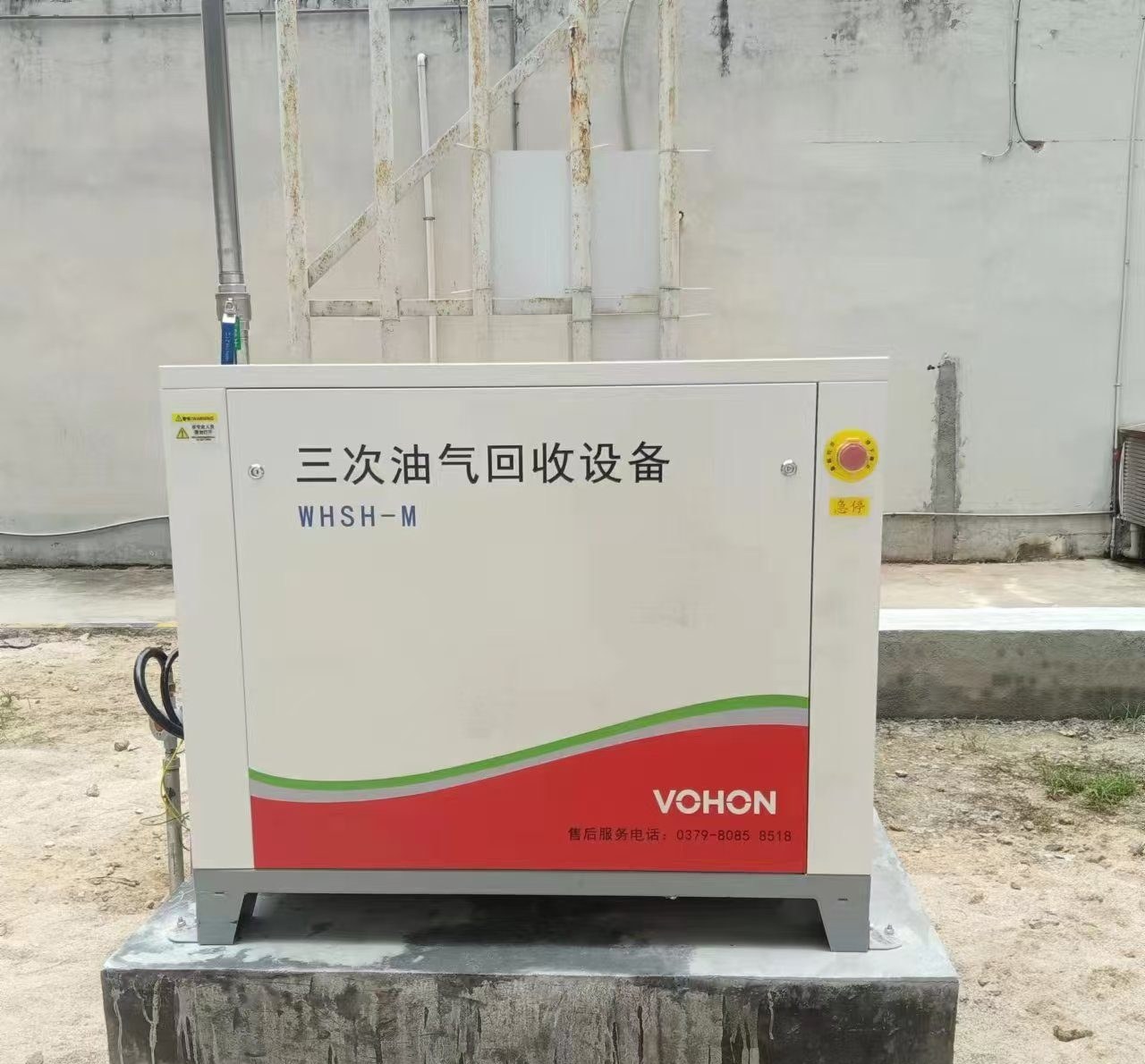
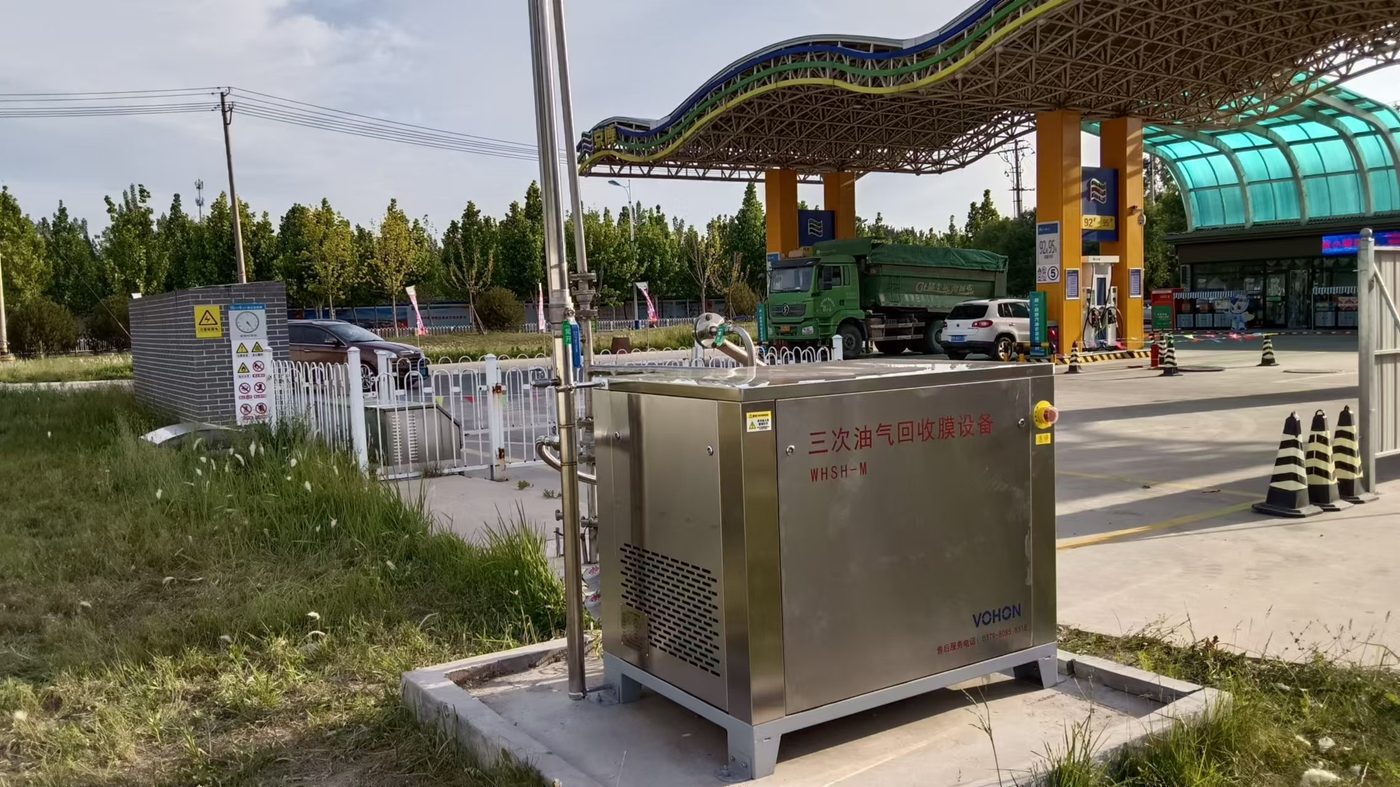
- A pre-startup review. Send photographs of the installed skid, the vapour line and the electrical interface. Around a third of first-startup problems are visible in those photographs and get fixed before anyone travels.
- A startup call. Our engineer joins by video while your technician runs the sequence, and reads the same gauges. Ninety minutes is usually enough.
- A written as-found record. Vacuum level, stack concentration, flow, ambient conditions, product in the tank. This becomes the baseline for every future service visit, and it is the document that protects both of us if a performance question arises later.
What remote support cannot do is repair hardware. If a compressor has failed or a membrane has been contaminated by carry-over, someone has to be physically present. That is why the spares pack and the trained technician exist, and why we are blunt about the difference between a support model and a warranty.
The three failure modes of a new partner
| Failure | What it looks like | Prevention |
|---|---|---|
| Sizing from a brochure | Unit runs flat out and never reaches the target reading | Four inputs, in writing, before quotation |
| Filter element neglected | Vacuum falls, membrane looks guilty, it is not | Element in the local spares stock, on the service schedule |
| Operator left in manual | Unit cycles oddly, readings wander, nobody trusts it | Operator handbook in local language, one page of do-not-touch rules |
All three are cheap to prevent and expensive to recover from, because the customer’s conclusion is never “the filter was dirty” — it is “this brand does not work”.
Book a technical call before your first project
Tell us the country, the product line and the customer type you already sell to. We reply with the territory map, the price band and the support package that applies — usually within one working day.
Phone / WeChat: +86 135 2699 0215 | WhatsApp: +86 185 3794 6079 | Email: lixiang@vohon.cn