A partner selling a single product has to find a new customer for every sale. A partner selling five related lines sells the second product to the customer who already bought the first. That is the entire logic of this portfolio, and it is worth understanding before you decide which line to lead with.
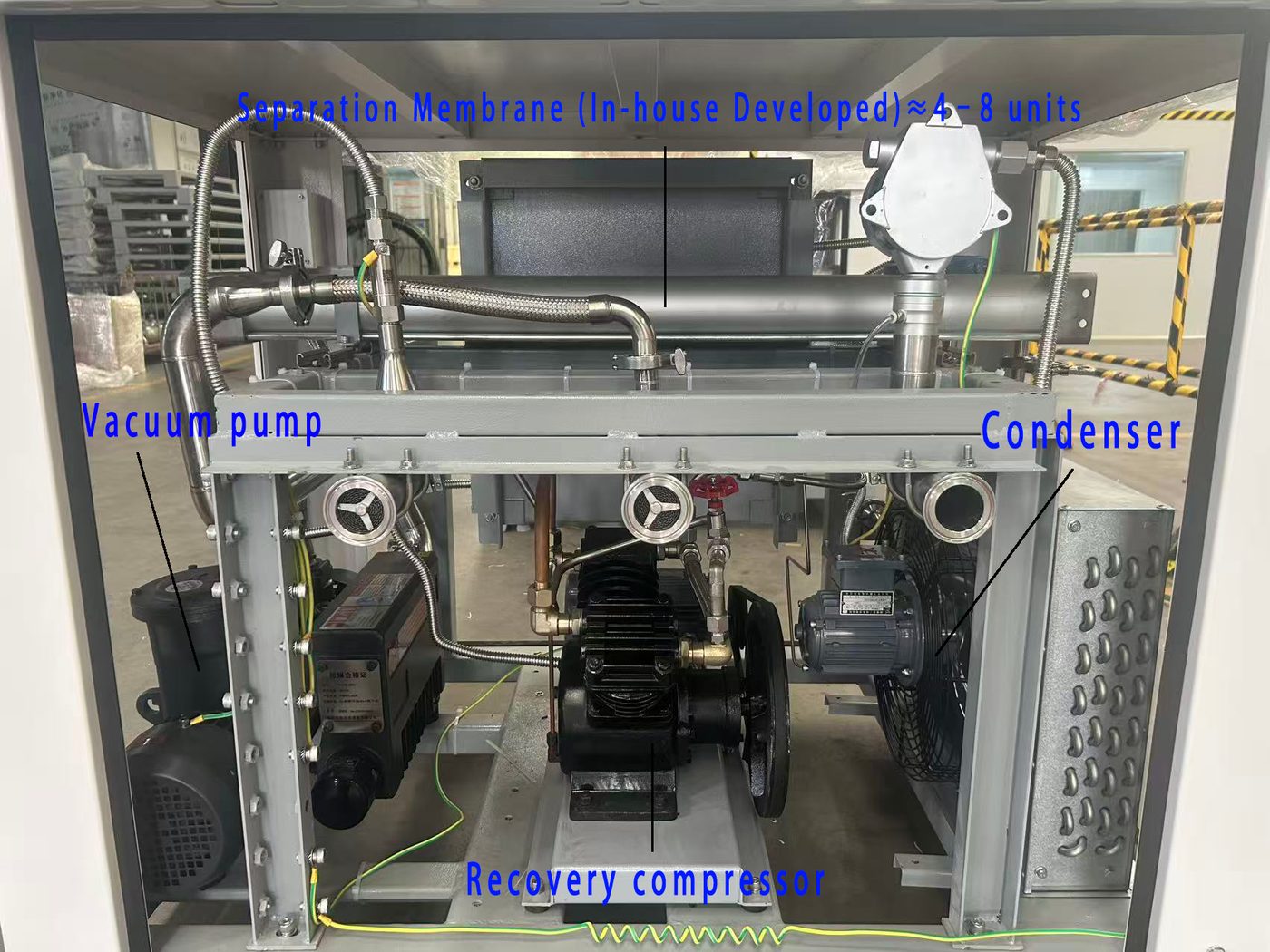
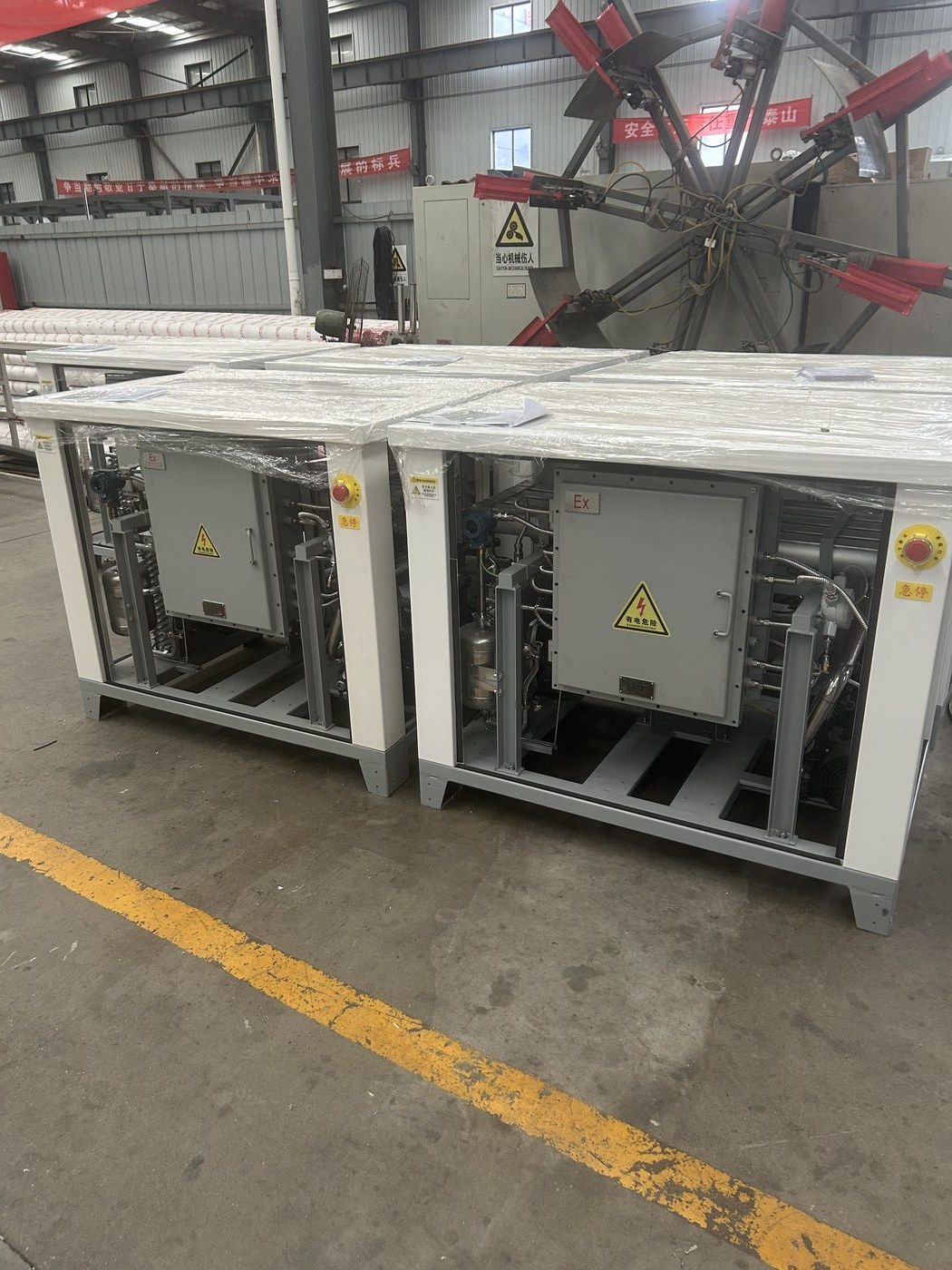
1. Vapour recovery units
The core line, and the one most partners lead with. Two configurations:
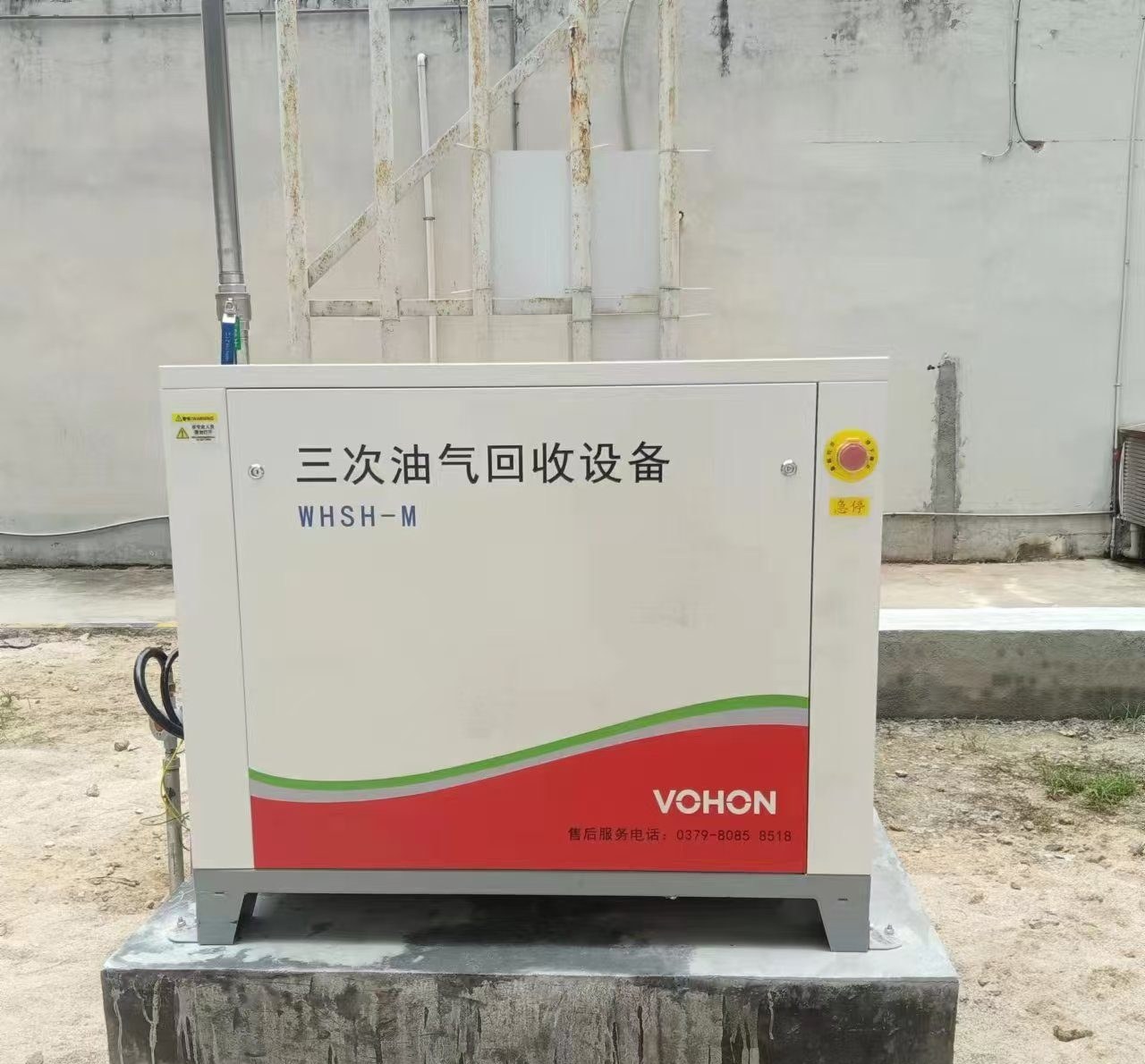
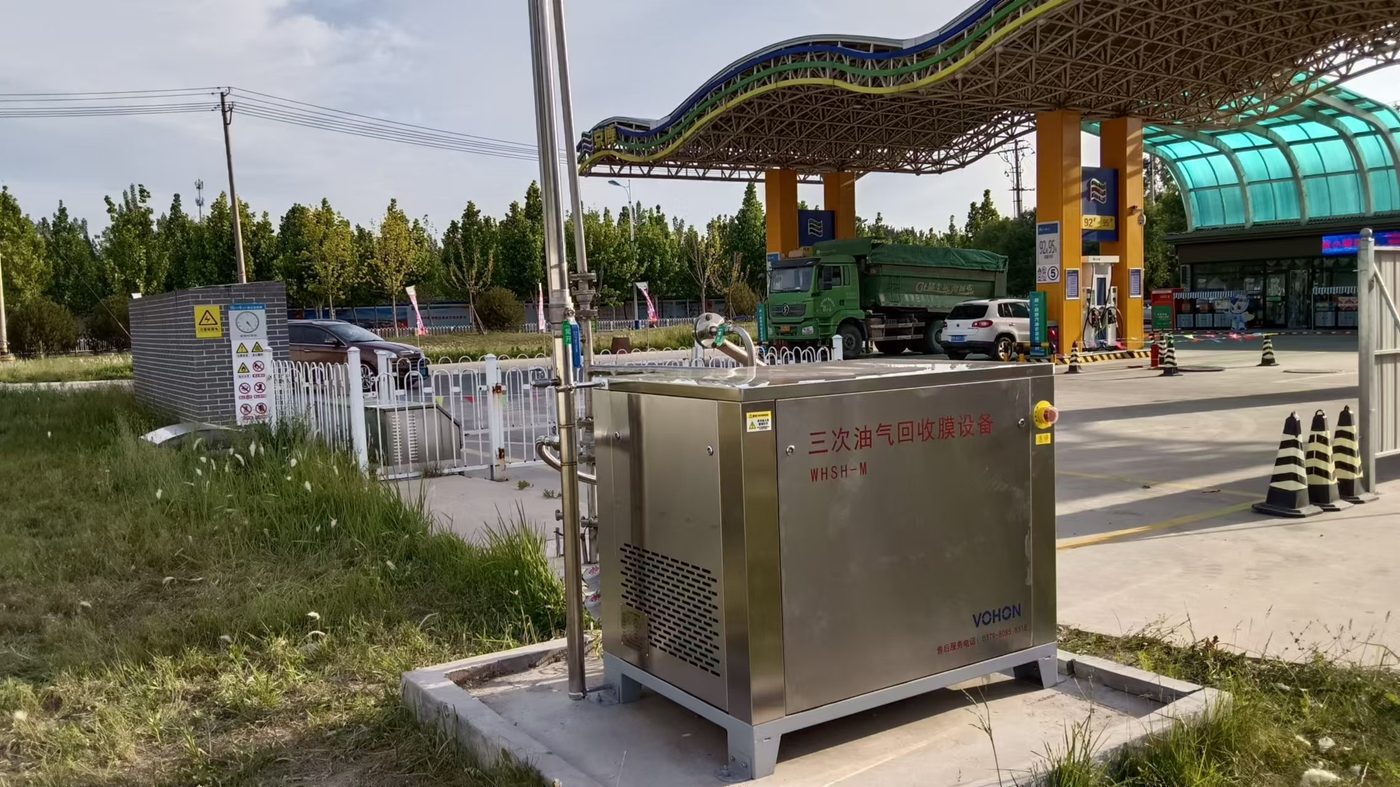
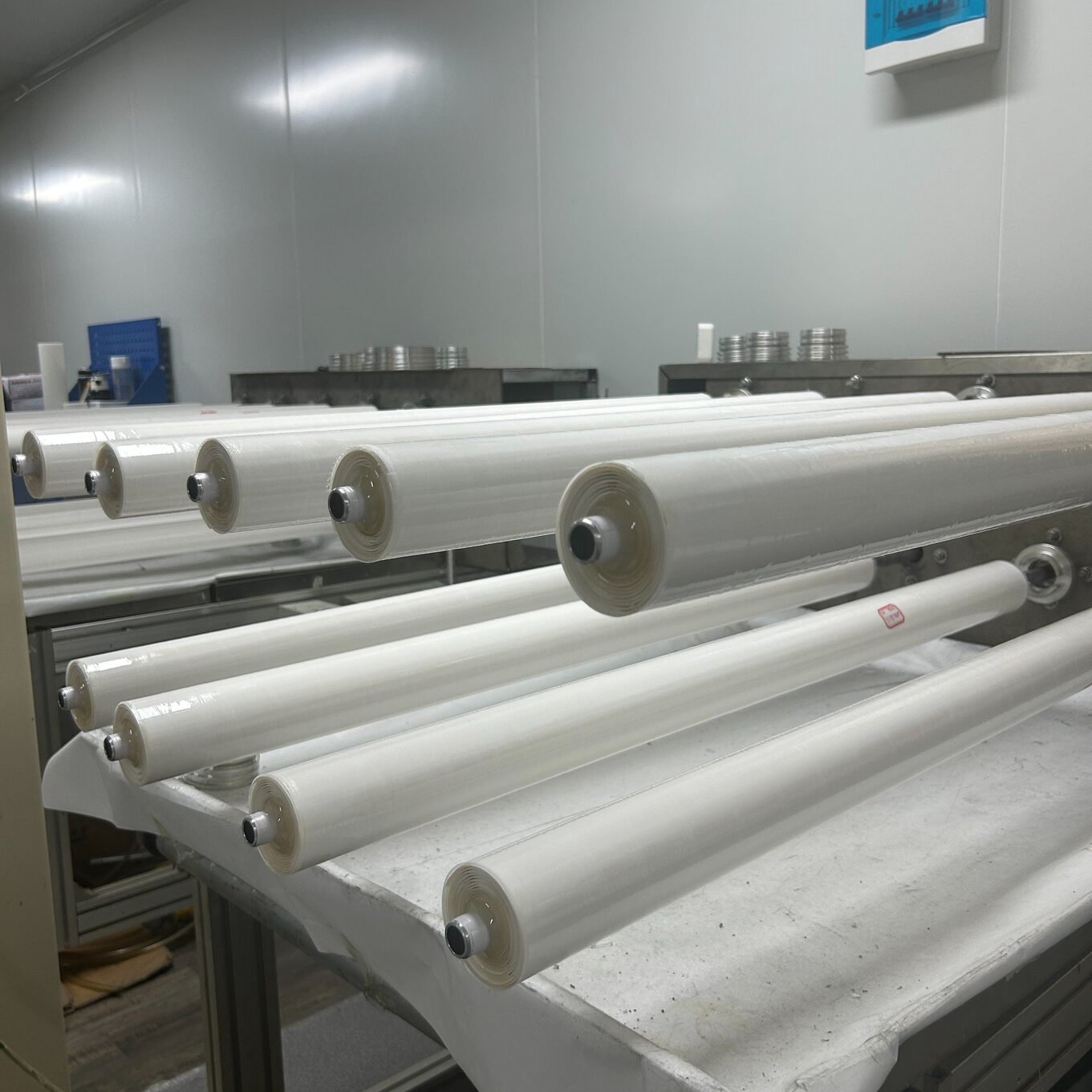
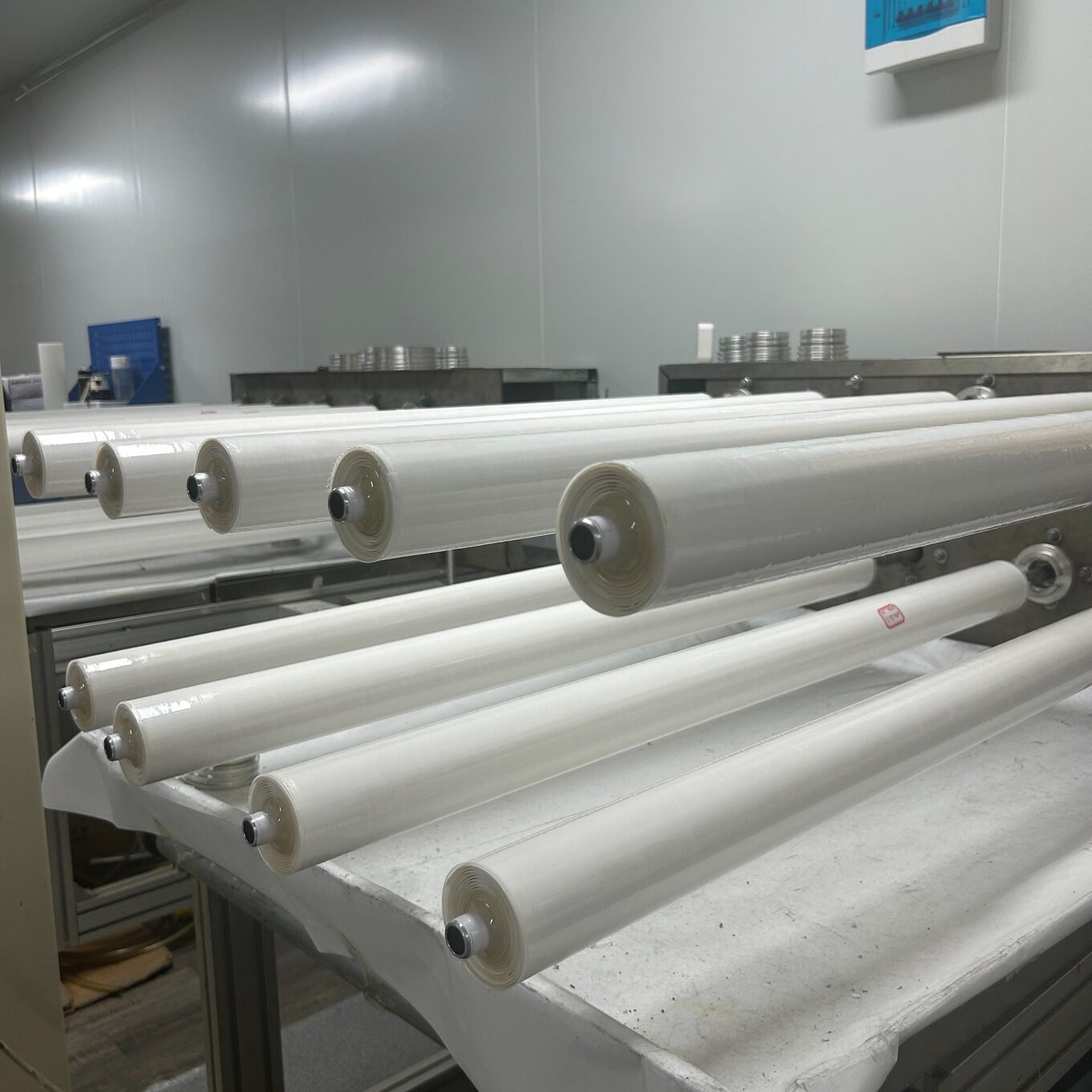
- Single-membrane VRU — absorption and membrane separation in one skid. Compact, few moving parts, suited to gasoline vapour at terminals and depots.
- Air-cooled membrane VRU — adds a condensation stage ahead of the membrane, which helps where vapour is hot, humid or carries heavier fractions. Larger footprint, better tolerance of difficult inlet conditions.
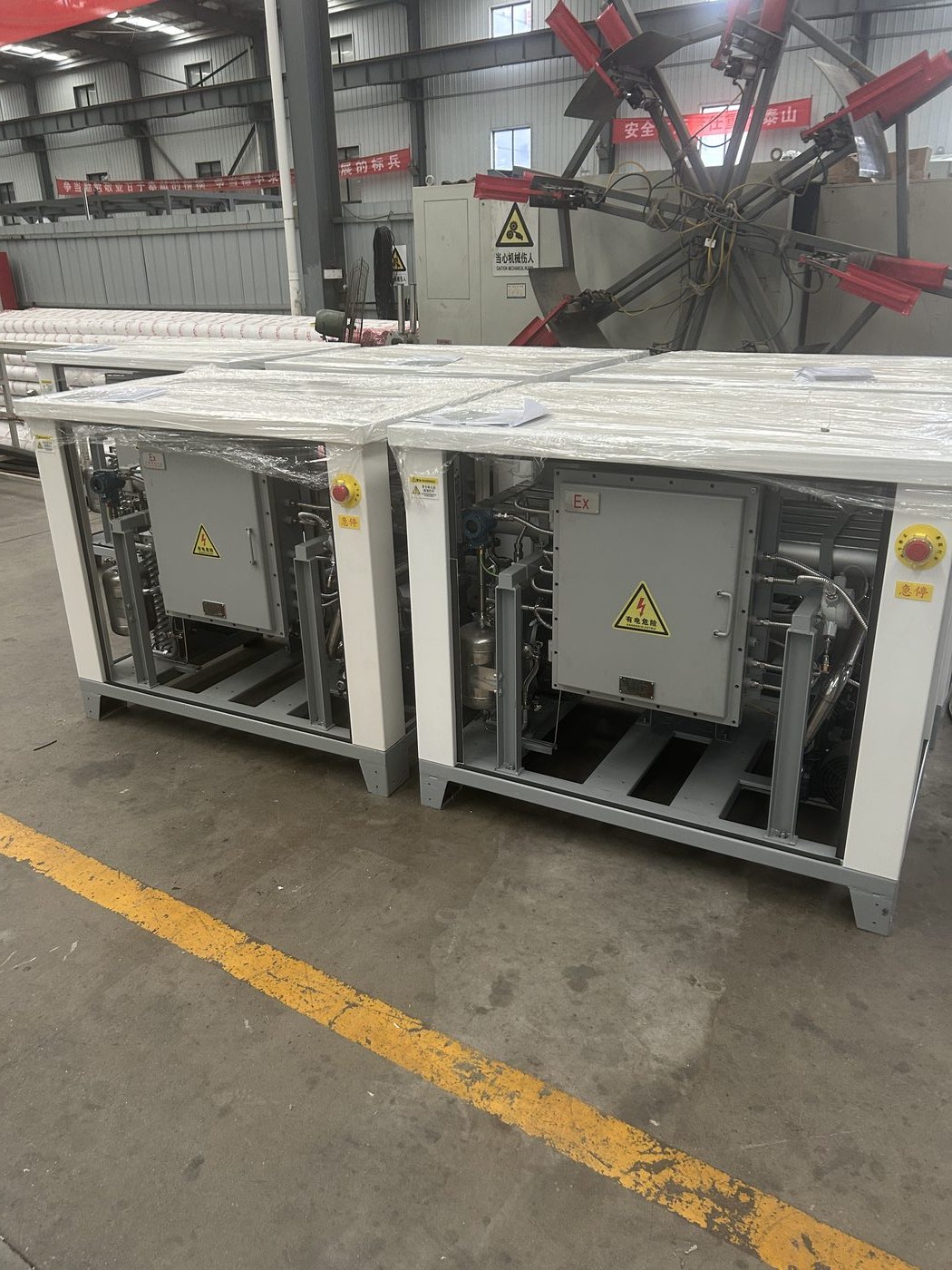
Both are skid-mounted, factory-assembled and tested before shipment. Capacity range from 50 to 2,000 Nm³/h across models.
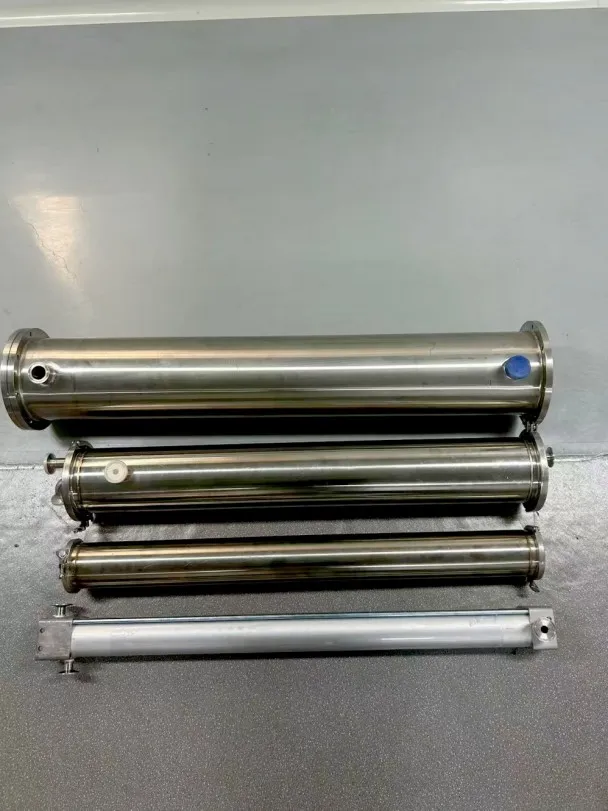
2. VOCs membrane separation
The same membrane platform applied to process vents rather than fuel vapour: tank farm breathing losses, solvent handling, loading of chemicals and petrochemical intermediates. This line is technically adjacent but commercially different — the buyer is a plant engineer, not a fuel retailer, and the decision cycle is longer. It is usually the second or third line a partner adds, once the vapour recovery reputation is established.
3. Composite piping for fuel systems
Double-wall composite pipe, fittings and sumps for station and depot fuel lines. This is the highest-frequency product in the portfolio: every station build needs it, the unit value is modest, and it is ordered alongside dispensers and tanks rather than in a separate capital cycle. For a distributor it is the line that keeps the customer contact warm between vapour recovery projects.
4. Station equipment
Manhole covers and frames, dispenser sumps, tank sumps, inspection chambers and gaskets. Low value, high repeat, quick to install. Partners typically start here because the order is small, the installation is simple and it proves the logistics chain before a skid is shipped.
5. Engineering services
Sizing, layout drawings, commissioning support and troubleshooting. Not a product you can stock, but the line that wins the other four: a customer who receives a proper sized selection and a GA drawing in three days tends to stop shopping on price alone.
How the lines sell to each other
| If the customer is… | Lead with | Then add |
|---|---|---|
| Building a new station | Composite piping and sumps | Vapour recovery at the loading point |
| Upgrading a depot gantry | Vapour recovery unit | Piping, sumps, service contract |
| Running a tank farm | VOCs membrane separation | Engineering study, then skid |
| An EPC contractor | Full package with drawings | Commissioning and spares |
What to lead with in your market
If your customers are station builders, lead with piping and station equipment and let vapour recovery arrive as an upgrade conversation. If your customers are terminal operators, lead with the VRU and let the piping follow. If you sell to consultants, lead with drawings.
The portfolio is deliberately built so that the entry product can be small. Nobody has to open with a 600 Nm³/h skid to become a partner.
Ask which line fits your customer base
Tell us the country, the product line and the customer type you already sell to. We reply with the territory map, the price band and the support package that applies — usually within one working day.
Phone / WeChat: +86 135 2699 0215 | WhatsApp: +86 185 3794 6079 | Email: lixiang@vohon.cn