If you already supply fuel dispensers, tank gauging, canopies or station construction services, vapor recovery is the nearest adjacent product you are not yet earning on. The customer is the same. The buying committee is the same. The site visit you already make is the site visit where the vapor recovery decision gets taken.
What is missing is usually not demand — it is a supply chain you can trust on spares, and a partner who will stand behind the unit when the commissioning engineer is standing next to it.
The product your customer is already paying for, every day
Every time a tanker fills a storage tank, the liquid arriving displaces an almost equal volume of vapor. That vapor is saturated with gasoline. As a working rule at ambient temperature, one cubic metre of displaced vapor carries roughly 1.0–1.4 kg of product.
Run the numbers for a terminal that handles thirty 30 m³ loadings a day:
- 30 loadings × 30 m³ = 900 m³ of vapor displaced per day
- at 1.0–1.4 kg/m³, that is roughly 0.9–1.3 tonnes of gasoline per day
- over 300 operating days, 270–380 tonnes per year
At a wholesale value of USD 900 per tonne, the operator is venting something in the range of USD 240,000–340,000 of product a year. That is the entire business case, and it is why a vapor recovery unit gets approved faster than almost any other capital item on a terminal. The customer is not buying an environmental device. The customer is buying back product they already own.
What changed on the demand side
Three things moved at once, and they moved in the same direction:
- Fuel retail is still being built. Station counts across Indonesia, Vietnam, the Philippines and Malaysia continue to grow, and every new station adds a loading point and a vapour balance problem.
- Terminals are being upgraded, not replaced. Older gantry loading arms are being rebuilt with bottom loading and vapour return lines. That work creates a vapour source where none was formally managed before.
- Enforcement has become measurable. Regulators increasingly check stack concentration and log it, rather than asking whether a permit exists. A unit that cannot demonstrate a number is a liability.
The result is a product that used to be a discretionary add-on on large terminals and is now a line item on mid-size stations and depots.
Where the margin actually sits
Equipment margin is the part everyone talks about, and it is the smallest part. In a real project the money sits in four places:
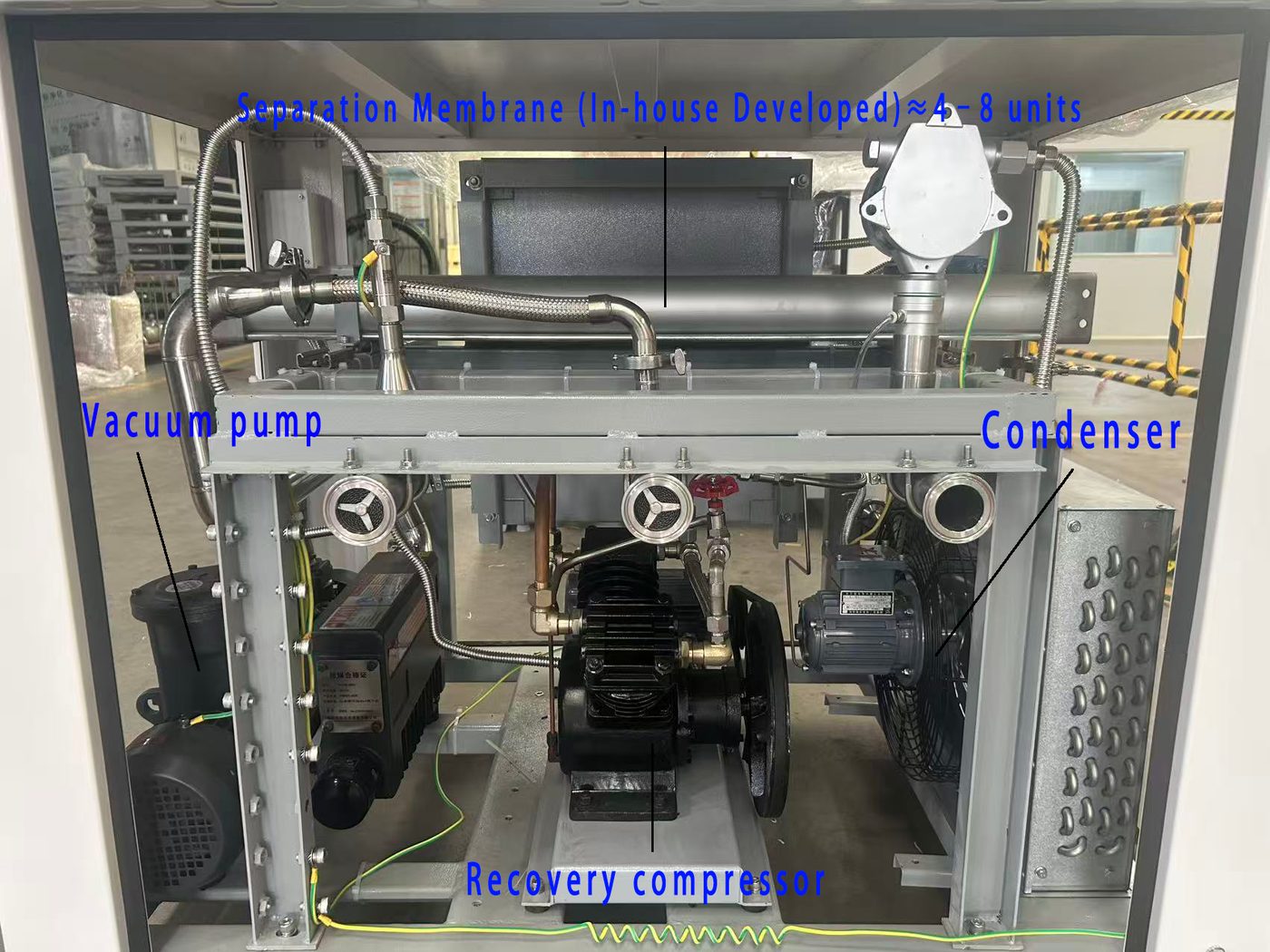
- Hardware — the skid itself, sized to the loading rate rather than sold from a catalogue.
- Integration — vapour line routing, pipe supports, electrical interface to the existing PLC, and the stack.
- Commissioning — startup, leak check, concentration readings, operator training.
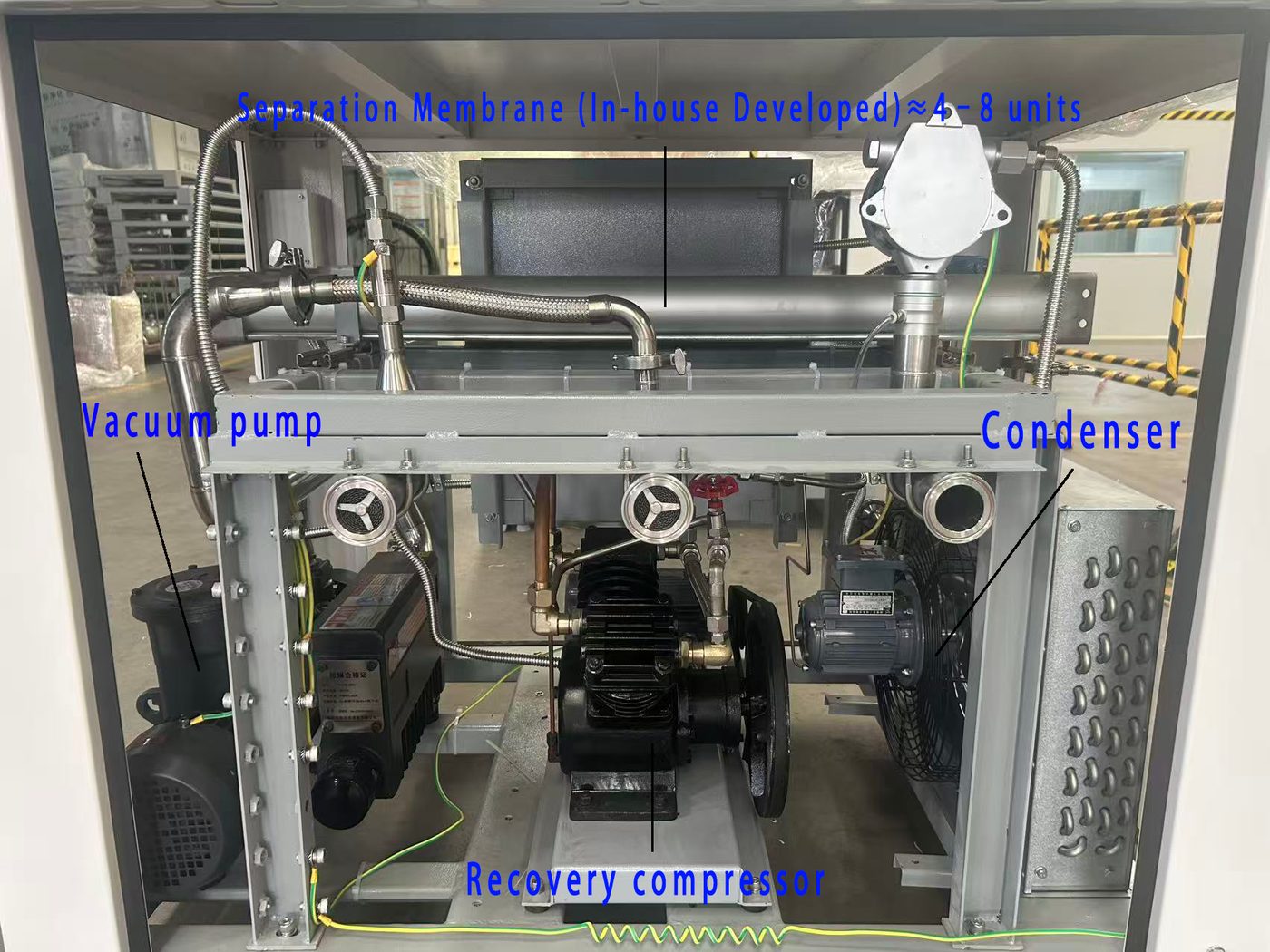
- Service — membrane replacement, filter elements, vacuum pump overhaul, annual concentration checks.
Distributors who sell only the skid earn once. Distributors who take the commissioning and the service contract earn for a decade on the same installed base — and they are the ones the customer calls first when the next station is built.
What a first project usually looks like
You do not need to start with a 2,000 Nm³/h terminal job. The two most common entry points are:
| Entry point | Typical vapour flow | Where it fits |
|---|---|---|
| Station cluster skid | 50–150 Nm³/h | Depot or station group with 2–6 loading points, footprint-limited |
| Small terminal skid | 200–600 Nm³/h | Bottom-loading gantry, single product or gasoline-only service |
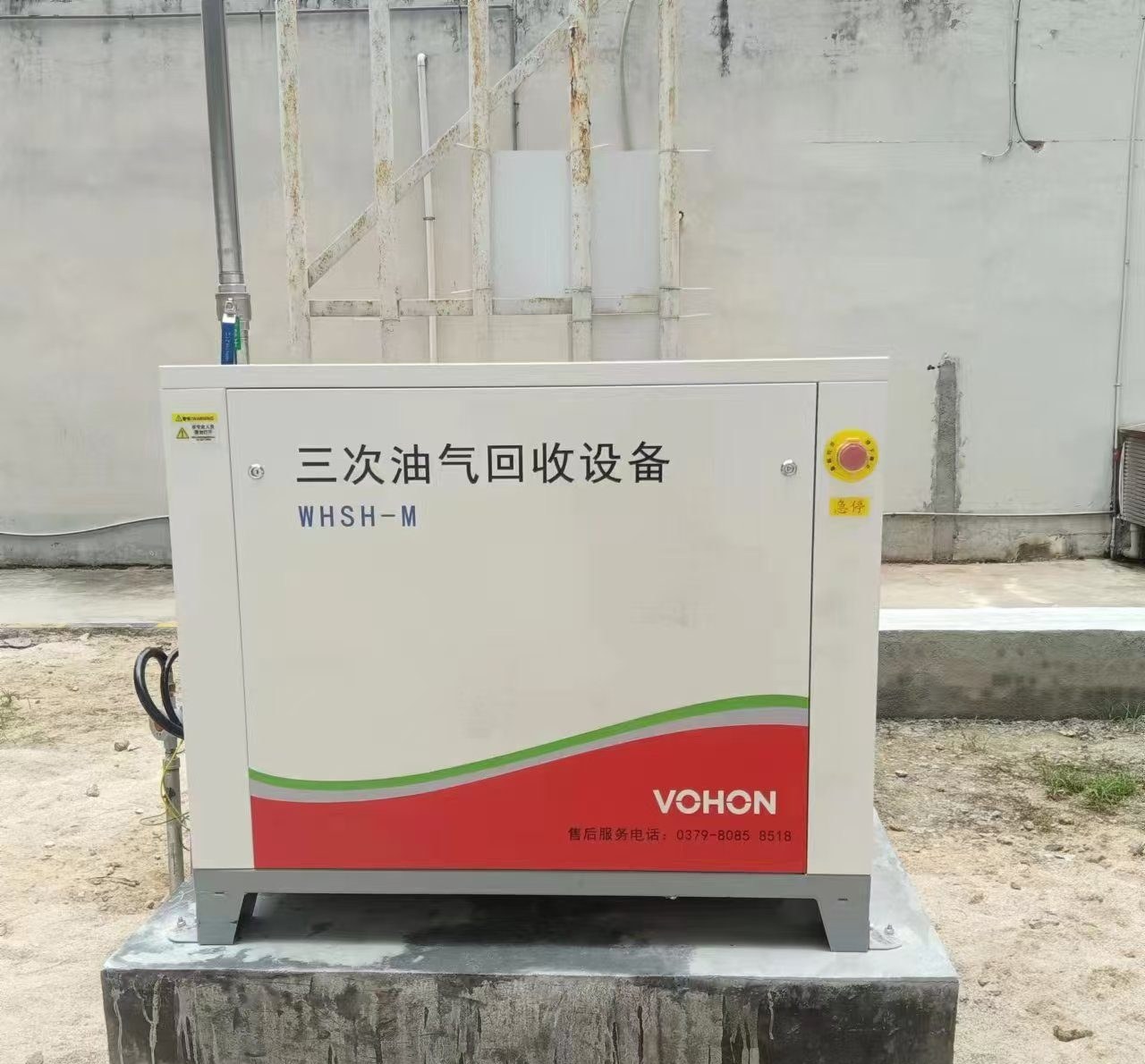
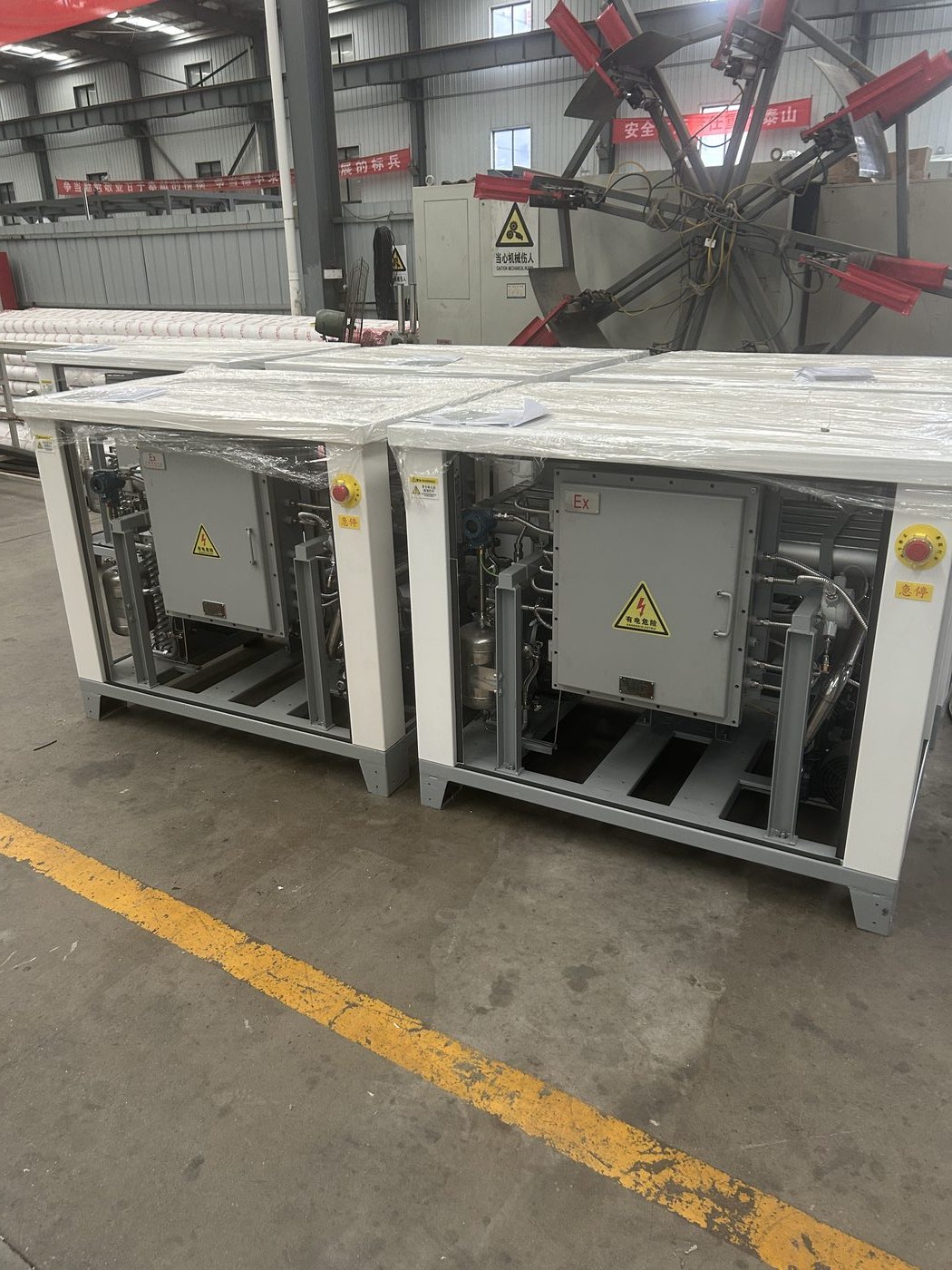
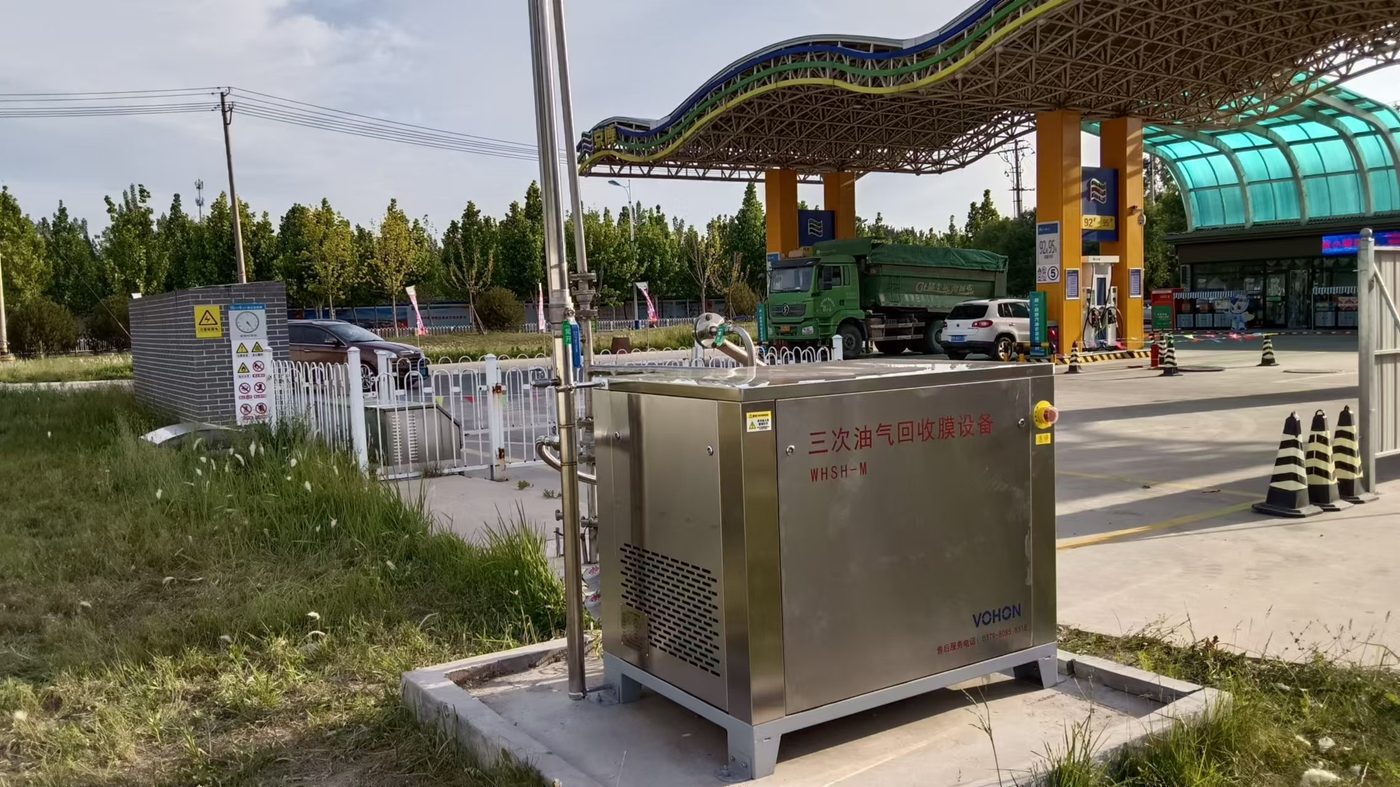
Both are single-frame, skid-mounted and factory-tested before shipment. Site work is limited to foundations, vapour line connection and power — which is exactly the scope your existing installation team already handles.
Why the builder matters more than the brochure
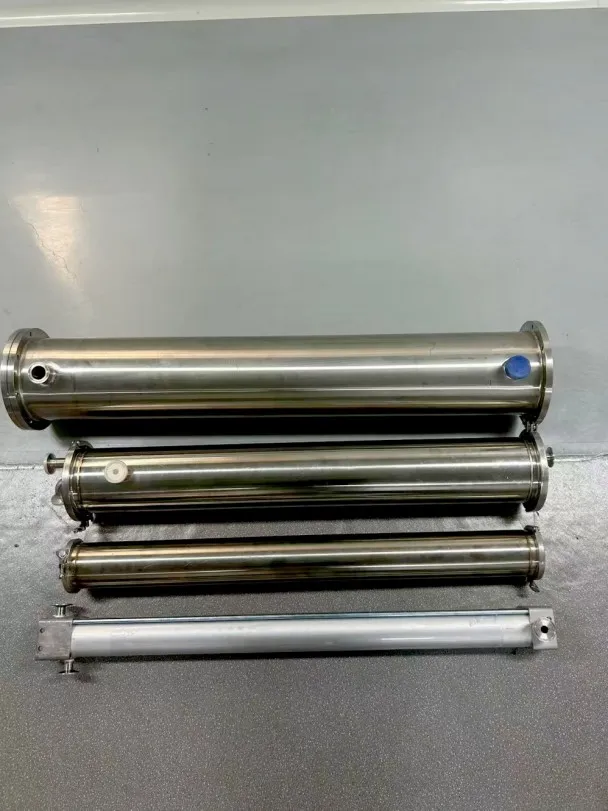
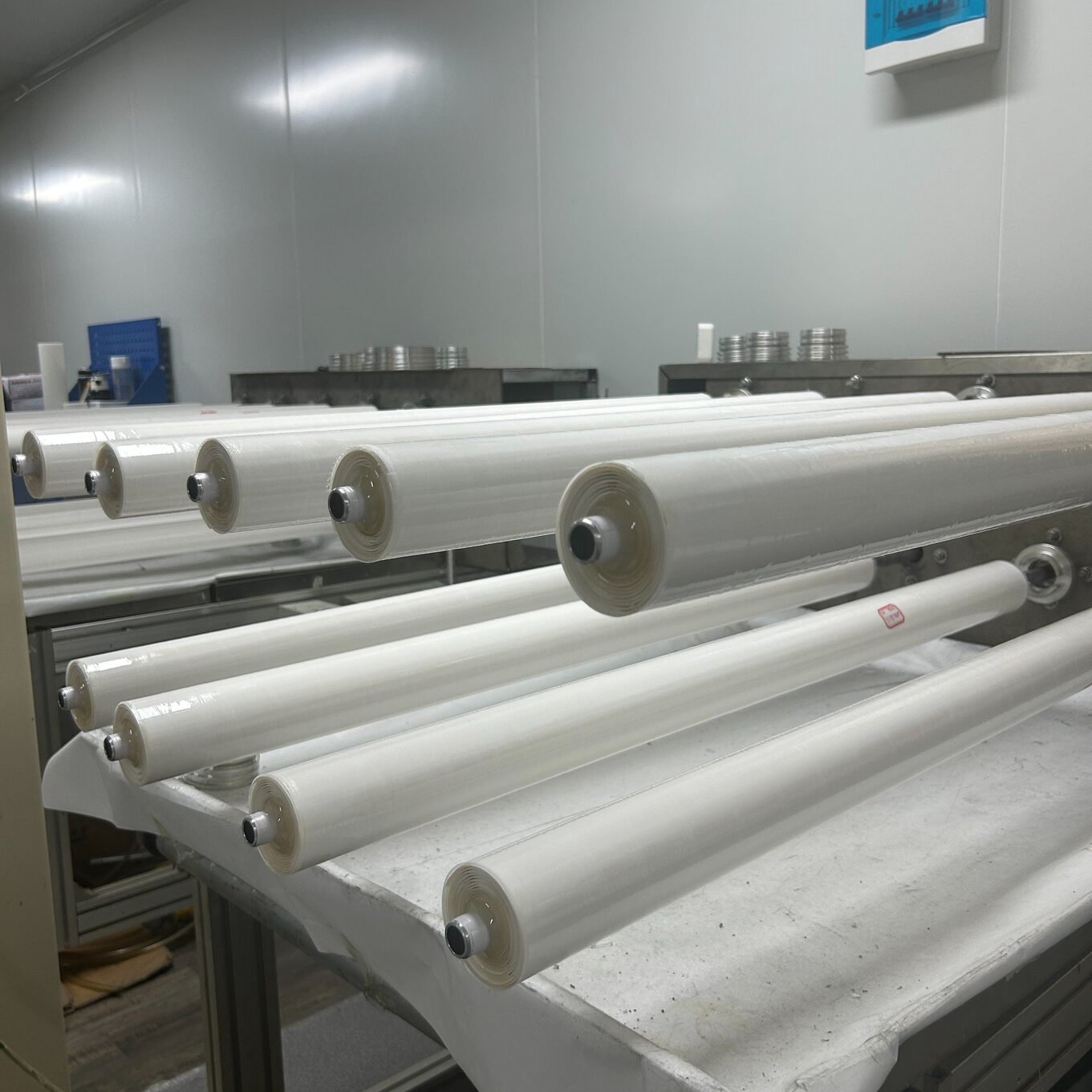
Membrane skids look similar in photographs and behave very differently in year three. The differences that show up later are unglamorous: whether the pre-treatment actually protects the membrane from aerosol carry-over, whether the vacuum pump is sized with any headroom, whether the membrane element can be replaced by a local technician without returning the skid, and whether spare elements are available in six weeks or six months.
Those are the questions worth asking before you sign a territory, not after your first customer calls about a pressure alarm.
Want the territory map and price band for your country?
Tell us the country, the product line and the customer type you already sell to. We reply with the territory map, the price band and the support package that applies — usually within one working day.
Phone / WeChat: +86 135 2699 0215 | WhatsApp: +86 185 3794 6079 | Email: lixiang@vohon.cn